Blog
How Loafers Should Fit at the Heel, Instep and Toe

A loafer stays on the foot through the shape of its opening, its hold across the instep and the fit of the heel. You have no laces to make those relationships tighter or looser during the day. That is why a loafer can feel excellent in the first minute and become distracting as soon as you walk at a normal pace. Start by working out what is actually moving.
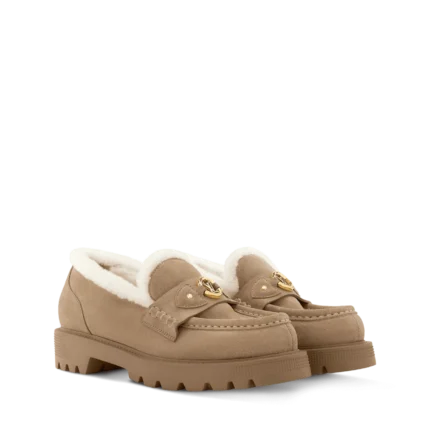
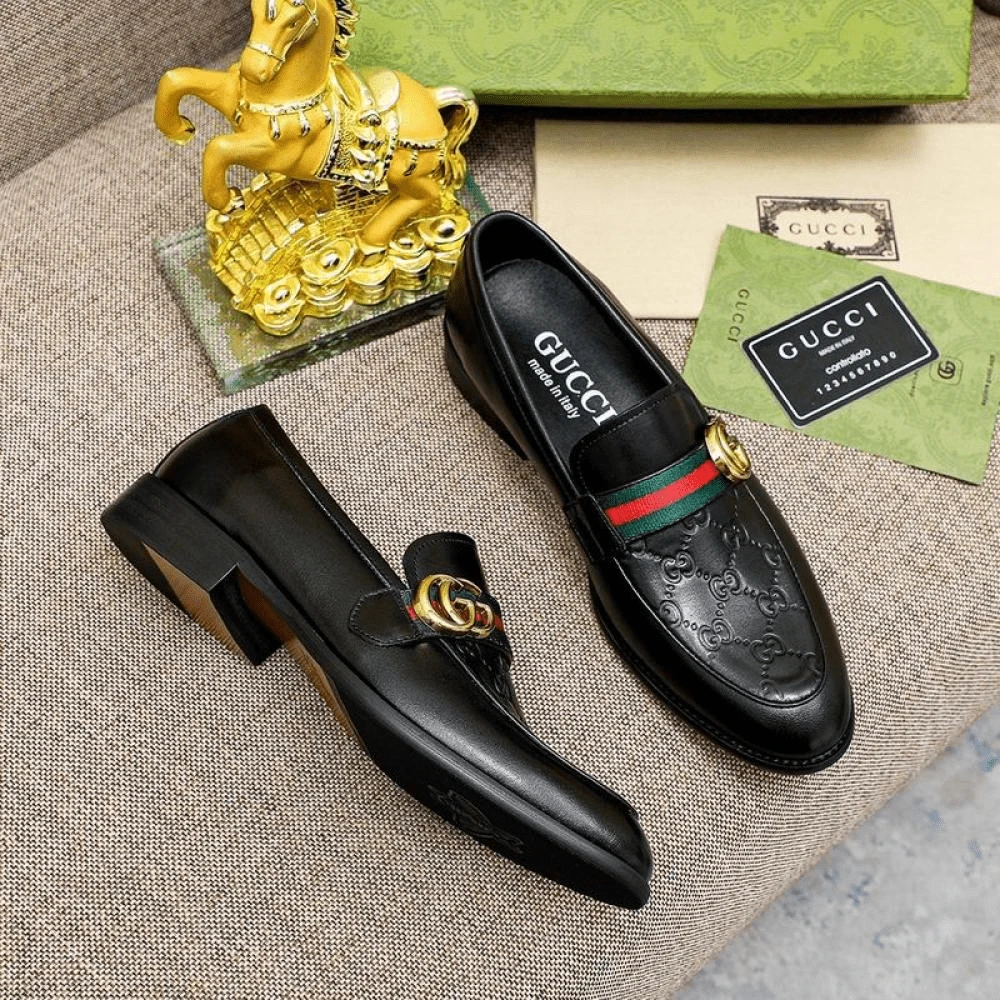
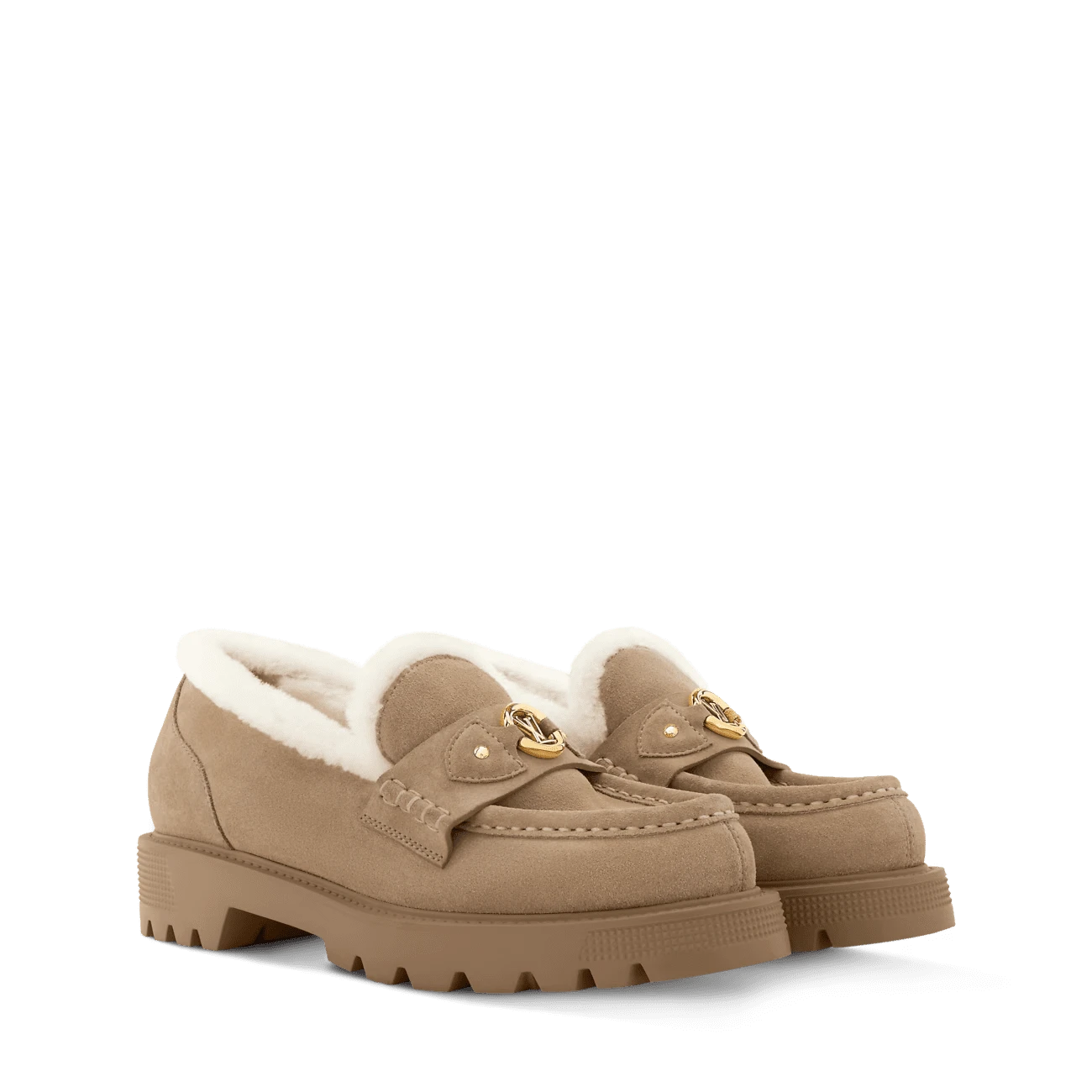
A good fitting session uses both feet and the socks you intend to wear. It also uses at least a few turns and stops on a clean indoor floor. The instructions below give you a way to remember those observations when you compare options, including the Gucci Men's Leather Loafers and the District Flat Loafer.
See how the opening wraps the foot
Open the product gallery and find a photograph from above. Locate the front edge of the opening, the parts of the upper that continue along the sides, and the curve around the heel. A low opening can feel easy to enter. A higher front edge covers more of the instep and can put its pressure in a different place. The shape of the opening provides a useful clue to what you will need to test.
The front piece of an upper above the forefoot is often called the vamp. In a slip-on shoe, its location and volume matter because they help determine how the foot settles. If the top of your foot typically presses into a shoe when you walk, note where the candidate vamp or edge is likely to meet it. If your current loafers allow your feet to travel forward, compare whether their opening looks longer or looser around the same area.
Use an existing shoe to identify your usual issue. Place the loafer on your foot and observe where the first firm contact occurs when you stand. Press lightly on the outer side of the upper if you need to locate a seam. Write down whether it presses near the highest point of the instep, along the sides near the widest part, or only at the heel. The report “pressure across the top near the opening” is more useful than “the shoe is tight.”
When you compare photos, keep the look of the shoe separate from what you know about fit. A smooth and apparently broad upper may conceal a narrow shape beneath it. A dark image can obscure where the opening meets the side of the foot. Ask for a better angle or a measurement if the gallery cannot resolve a point that frequently causes trouble for you.
Measure your feet with the socks that count
Place paper on a hard floor against a wall and stand with one heel lightly aligned to the wall. Mark your longest toe with your weight on the foot. Repeat on the other side, then measure across the widest part of each forefoot. Use the same measuring method on both sides. If you have difficulty reaching down without shifting your weight, have someone mark the points while you stay upright. Clarks guide to measuring feet
The useful reference is the foot as it will enter the shoe. Measure with your ordinary thin work socks if you plan to wear the loafer to an office. If you alternate with thicker socks in cold months, take a second set. Thickness can matter under the opening and around the back of the heel. Keep the records separate so you do not accidentally use a winter sock measurement for a bare-foot fitting.
A photo of the measuring setup is more useful than a photo of a shoe's inside label if you ask about size. The label is a helpful clue for a model you already know. An actual foot-length figure, the type of socks and the area where loafers typically press on you provide a clearer starting point for another model.
If both feet are near the edge of a size chart, retake the measurements after a typical amount of walking or standing. Record the larger repeatable length and width. Size tables vary by maker and model, so keep the readings in millimeters or centimeters until you have the correct table for the item. Clarks men's fit guide
Separate heel movement from a shoe that is too long
Put on both shoes, seat the heels gently and take ordinary steps. Watch whether the back follows the heel smoothly or drops away repeatedly before catching up. A little motion can be noticeable when the sole is new and the foot bends. The observation that matters is whether the shoe feels secure through normal steps and turns without a change in stride or a recurring effort to keep it on.
Check the instep at the same time. If the upper is too roomy where it should hold your foot, you may slide forward and create a gap behind the heel even when the heel-to-toe length is plausible. If the entire shoe is long, you may also find that the ball of your foot sits behind the area where the sole wants to flex. These are different findings. One points toward upper volume, and the other makes length and shape worth checking.
Walk once slowly and once at your regular pace. Pause, face another direction and start walking again. A heel that only feels loose in the first slow step may feel different at your normal pace. The reverse also happens. If one foot comes out of position on turns, write down which one and check it against the foot measurements. You may find that a modest difference between feet is having a large effect in an otherwise similar pair.
Look for the point of contact around the back. Friction at a particular top edge is a different experience from a shoe that moves vertically as a whole. Check whether the sock is being drawn down inside the shoe. If one pair of socks slips with you, repeat with another intended pair to determine whether part of the movement belongs to the sock rather than the shoe.
Keep the toe box and flex point in view
Stand with weight on both feet. Let your toes rest naturally and ask whether the sides touch a tapered part of the shoe. A long pointed outline can appear spacious while the usable toe area narrows early. The shape beyond the longest toe does not provide much comfort if the sidewall crowds a different toe. Check both feet and name the point of contact.
Lift your heel gently while standing in the shoe and observe where the sole bends. A useful fit feels reasonably aligned with the front part of your foot during an ordinary step. If you sense a fold pressing in an unusual place or find that you have to walk around the bend, compare a different shape or size. Move only enough to notice the shoe's ordinary movement. You do not need to force a crease in a pair you are still evaluating.
When the shoe feels close in the front, avoid using extra length as your only adjustment. The next size may shift the bend and make the heel looser without solving the side pressure. Ask whether a different model offers more usable space where the problem occurs. The shoe outline and any model-specific width information are better evidence than a general expectation that the material will soften.
If the longest toe touches the front while standing or after several steps, note when and how it happens. A toe that contacts the shoe only after you slide forward indicates movement worth investigating. Constant contact immediately after you seat the heel indicates another issue. Distinguishing the sequence helps you choose whether to revisit length, the hold across the foot, or both.
Use socks as part of the intended fit
Choose socks based on where you expect to wear the loafer. A thin dress sock leaves more space under the vamp and may feel smoother. A thicker everyday sock may change the contact around the back or crowd the top. A low sock needs to stay in place where the heel sits. If it slips toward the footbed, the shoe can feel loose even when the original fit was better.
Bring two pairs if you genuinely plan to switch between them. Begin with the socks you will wear most often. Repeat the same indoor steps with the second pair and make a short note. If the shoe only feels secure with a thick sock and you intend to wear it through a warm season, that is useful evidence about the fit. It is easy to build a misleading comparison by changing socks and size together.
Someone choosing loafers for a formal outfit may prefer a smooth thin sock and a clean line at the trouser cuff. Someone looking for a shoe to wear several hours while traveling may want a sock that stays put without creating pressure across the instep. Picture the realistic routine. You are likely to notice the wrong sock and heel combination after an hour even if the shoe looked excellent in a brief mirror check.
If you intend to wear the shoe without a visible sock, try the actual no-show sock rather than assuming all low socks disappear and grip in the same way. A sock edge that lands just under the collar can change friction. Look at the fit from the side and rear after walking. The useful pairing is the one that stays in place while you move and feels comfortable when you sit down again.
Compare a slip-on with a lace-up when you need a reference
A lace-up in your wardrobe makes a useful control. You can adjust tension over the top of the foot and then observe how securely it holds your heel. A loafer asks you to get comparable stability from its shape. If you have to tighten the laces considerably to stabilize a familiar shoe, note where you need that tension before comparing a slip-on.
In the Integrity Bags shoe collection, use the Beverly Hills Sneaker listing as a visual contrast for a lace-up. It illustrates how an adjustable opening changes the decision. Keep it separate from the two loafer listings and compare the access and hold around the top of the shoe, rather than using its size label as a direct recommendation for either loafer.
Suppose you want an office shoe and usually wear lace-ups with a loose forefoot and firm heel. A loafer that is firm throughout might feel secure at first while crowding the front later. A loafer that matches the roomy front may need a closer opening or a differently shaped heel to stay secure. The lace-up comparison helps you state which fit qualities you want to preserve as you move to a slip-on.
If you frequently switch between socks of substantially different thickness, the adjustability of the lace-up may be valuable for that part of the wardrobe. Keep that option available when your loafers are comfortable only in one sock. A loafer can have a distinct role alongside an adjustable shoe, especially if you know exactly which clothing and routine suit it.
Ask one specific question when the chart is incomplete
Use the exact product page and intended size when you ask about a model. Include the measurement of your longer foot and, if relevant, the width and type of socks. Then name the uncertainty. You might ask whether a chart lists recommended foot length or the interior of the shoe, or whether the shop has a top view showing how far the opening comes up the instep. Integrity Bags contact
A general “true to size?” question can bring back a label that is easy to remember and difficult to apply. Your own shoe sizes may differ across brands, and a person recommending a common size can only infer how the shape fits you. A measured question is narrow enough for a useful answer. If you receive a size recommendation, keep the method and the exact listing with it.
Be careful when comparing a foot measurement with an insole someone measured separately. The insole may curl toward the toe or extend beneath an area the foot cannot fully occupy. A listing may also measure the outside sole. Ask how the number was taken if the choice depends on a few millimeters. A clear sizing method makes a small difference easier to interpret.
The same principle applies to any description of fit. A statement that a model feels roomy can refer to the toes, the instep or the heel. State the specific place you need room and the place you need hold. That gives you a sensible way to interpret a photo, compare two models and decide which uncertainty remains after you have the measurements.
Make the decision after a repeatable indoor check
Put on the planned socks and stand in both shoes. Walk normally, make a turn and sit down. Stand again and take a few more steps. Record four observations in order. Check toe clearance, top pressure, heel movement and whether the sock stayed in place. The order keeps a striking first impression from hiding a different problem at the back or front.
If you are trying a delivered pair, check the return policy before wearing it outside or doing anything that changes its condition. A brief clean indoor test can still tell you a great deal. Compare what you felt to the exact shape of the shoe and record which foot differed. If you plan to wear the pair for hours, give more weight to repeatable comfort than to the way the shoe looked in its first photograph.
Keep the page URL, size, sock and fitting notes for the pair you choose. A useful record might say that a certain opening held well with thin work socks, while the broader forefoot had room when standing. That record is specific enough to guide your next loafer purchase. It also tells you whether a different pair has a genuine new role in your wardrobe.
Compare these products