Blog
Neverfull PM, MM and GM Compared by the Load You Actually Carry

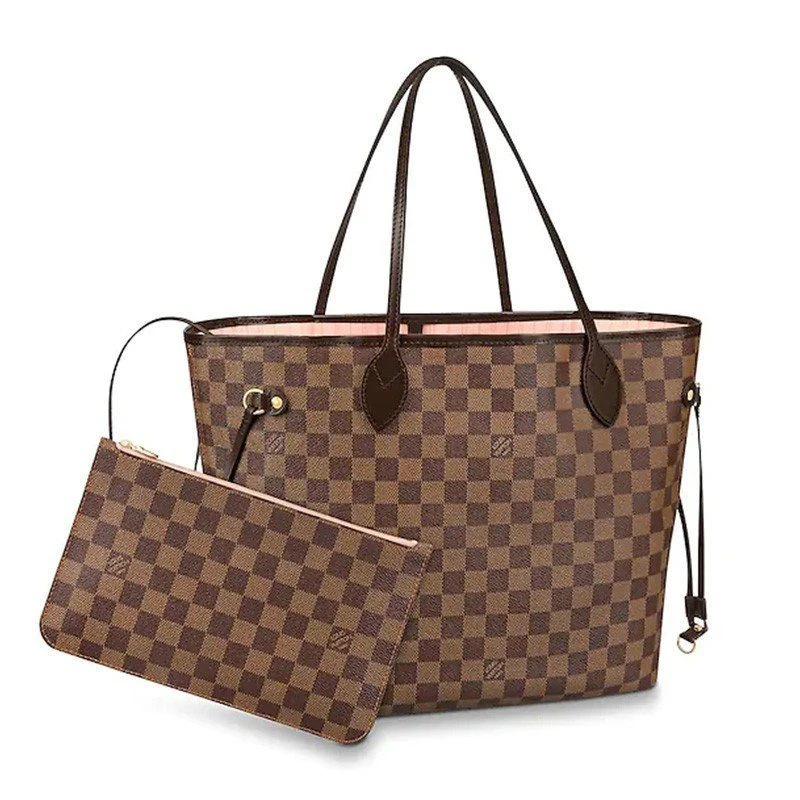
The Neverfull PM, MM and GM share a family name, but the useful question is how each fits into an ordinary day. Can you remove your lunch without pulling out your notebook? Does the bag stay close enough on a crowded train? Is there enough room for a purchase on the way home? These questions point to different shapes and sizes even when the bags look similar in a front photo.
This comparison starts with four specific Integrity Bags listings. Their published dimensions show how the small, middle and large references differ, and why two MM listings still deserve separate checks. Then we will turn those numbers into a test you can run with a ruler, a sheet of paper and the things you already carry. No special equipment is needed, and the test works even if you are choosing between two listings that show different finishes.
Start with four actual listings
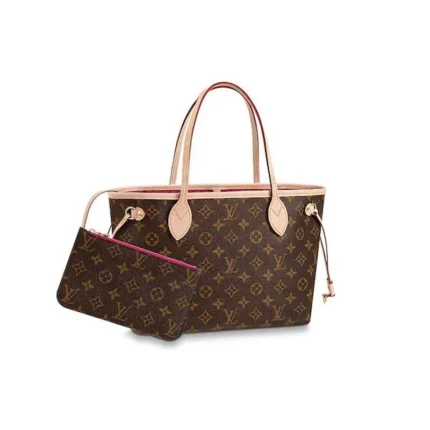
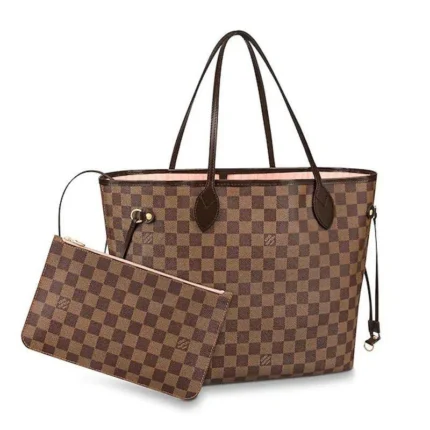
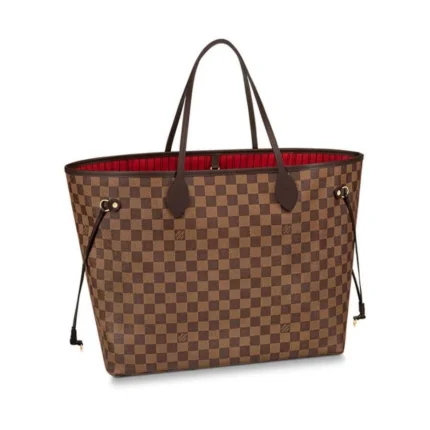
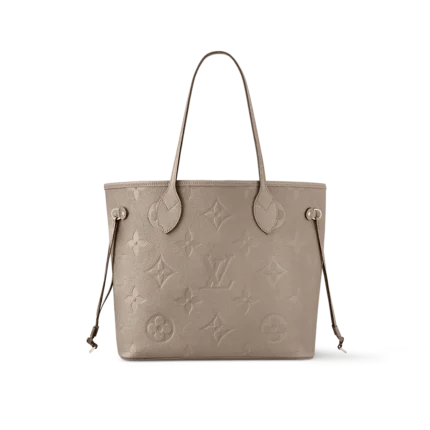
The M41245 Neverfull PM lists dimensions of 29 × 21 × 12 cm. The N41603 Neverfull MM lists 32 × 28.5 × 17 cm. The N41357 Neverfull GM lists 39 × 32 × 19 cm. For another middle-size comparison, the M45686 Neverfull MM lists 31 × 28 × 14 cm.
Treat these figures as the published dimensions for those exact references. The two MM entries differ by three centimeters in the listed depth and slightly in the other two numbers. If you intend to keep a rigid lunch container or existing organizer, that difference deserves a closer look. Check which way the shop lists the dimensions and use the centimeter figures consistently during the comparison.
A broad exterior outline can hide important differences in usable space. Lining, pockets, changes in the width of the opening and the shape of the base can affect how a particular object goes into the bag. Keep an eye on any product photo that shows the bag from above or the side. A side view does more to explain what a three-centimeter difference looks like than a front view of two equally attractive bags.
Make the PM earn its place
A compact tote can be a good fit for days with few rigid objects. Put your phone, keys, wallet and glasses case next to a small notebook. Consider whether there is anything else you need to put inside at the same time, such as a power bank or an umbrella. A small number of extras can matter more than the total number of items. An umbrella does very little to the footprint when tucked neatly alongside the notebook, while a deep case can occupy space across almost the entire base.
Try making a 29 × 12 cm paper footprint for the M41245 PM. Set your items on it in the positions you would actually use. A wallet near the side and a glasses case alongside it leave a different gap than the same pieces stacked in the middle. If a key pouch needs to sit at the top because you reach it several times, give it that space during the trial.
Now add the item you are most likely to bring home. If you collect something compact on the way back from a coffee shop, your test should leave space for it. If your day usually ends with an extra water bottle, folding an imaginary parcel into the test misses the more awkward shape. A useful PM load has room to change a little without rearranging everything at the checkout counter.
Look past the MM width
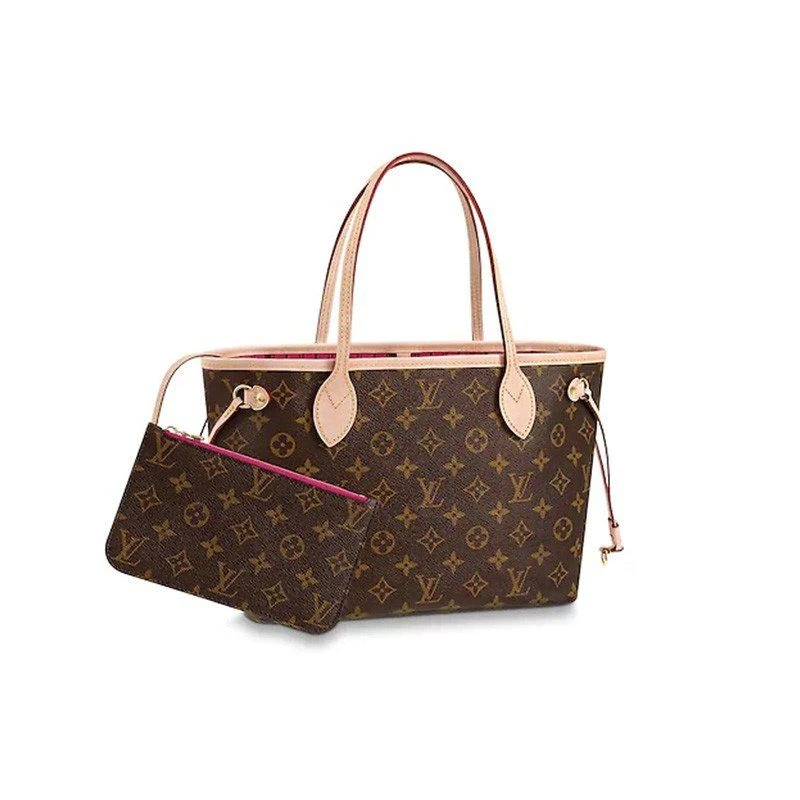
Going from the listed PM to the N41603 MM adds only three centimeters to the first number, yet the other figures change more. There is a seven-and-a-half-centimeter difference in height and a five-centimeter difference in depth. That is a reason to think about packing direction. A bag can get noticeably more useful for an upright object even when it hardly looks wider in a photograph.
Try two layouts for a workday. In the first, keep a notebook along one broad side and put a pouch or food container beside it. In the second, lay the notebook across the bottom and place the soft things around it. If the first layout gives you clear access to keys and a badge, you benefit from height and separate access lanes. If you need the second layout to keep the notebook from bending, base shape matters more than it does for someone who carries a soft sweater.
Then repeat the exercise with the M45686 MM numbers. The footprint changes from 32 × 17 to 31 × 14 cm. An item that fits between the sides of your first outline may occupy the full depth of the second. That does not automatically rule out the M45686. It gives you a question to answer with its photos and your actual items. A shopper who carries documents and a slim umbrella may welcome a shallower profile, while a shopper with a square meal container may prioritize the extra depth.
Give the GM a believable job
The listed 39 × 32 × 19 cm dimensions of the N41357 GM make it the widest, tallest and deepest of these four listings. The extra room is relevant when you bring several independently bulky objects, such as a light knit, a full-size pouch and a slim folder. It also creates a larger shape to carry through doorways or around other passengers. A person can make good use of the space on a drive or a full day out and find it less valuable on a trip with a short walk and two packed trains.
Sketch the GM footprint next to a chair. Position the test bag outline beside the chair rather than underneath it and imagine reaching around the front edge to pick it up. Think about how the larger bag would feel when another person occupies the seat next to you. This checks how the bag fits into the places you use, which is a separate issue from how much it can hold.
Decide what will keep your small things from moving across the full width. A dedicated pocket, a pouch or a repeatable placement routine can all solve the problem. A larger tote is easier to live with when you can reach the same spot for your keys at the beginning and end of the day. Packing the GM loosely on purpose can be useful when your plans are variable. If the open space encourages you to carry things you rarely touch, try the MM test again before you commit.
Test the passage into the bag
Take the longest rigid thing you want to carry and measure it with its cover. A small tablet in a bulky protective case can need more clearance than its advertised screen diagonal implies. Measure its longest edge and thickness, then consider the angle at which you insert it. An object that could lie inside the tote may still be awkward to push past the mouth if the opening is narrower at that moment or if an existing pouch is in the way.
The easiest kitchen-table test uses two upright books. Set them apart at a conservative estimate of the clear opening and move the item through the gap. Hold the item as you would while standing. Try again with another item already inside your test layout. The exercise exposes an access problem even when you have room on the paper footprint.
If you do not know the clear opening, do not copy the exterior width into that blank. Put the exact item and its size in a question for the store. The answer you want is whether the item can pass into the exact bag in the configuration you expect. If you will use an insert, include the insert in the question or run a second test once you have its measurements.
Compare how the handles will work for you
Use a tote you already carry to establish what comfortable shoulder room feels like. Empty it, put it over the coat or sweater you wear most often, and note where the top edge sits. Try it again with your real load. If the top rubs under your arm or if you must hold the handle to keep it from sliding, record that before shopping. The same drop can feel different with a different handle shape, bag width or fabric on your shoulder.
You can measure the vertical space between the top of your current bag and the inside of the handle at its highest point. Write down how you made the measurement. Use that same convention if the listing gives a drop measurement or if you ask the store about it. Keep it separate from handle length. A total strap length cannot be compared directly with vertical clearance.
The body of the bag affects comfort too. A deeper tote can sit farther out from you when full. Think about whether you will keep it tucked under an elbow, swing it down into your hand while moving through a queue or set it on a seat. The best comparison pairs handle room with the way you actually switch positions throughout the day.
Decide how an insert would change the choice
If you already own an organizer, measure it when full enough to stand up. Write down its length, depth and height including any outer pockets that expand. Set your rigid objects into it and check whether the bottom remains flat. Then compare it with the bag photos and your paper outlines. An insert can use up clearance along the sides even though it keeps the interior tidy.
Consider an insert's height too. A tall one can make the opening harder to use or position its pockets above the place where your hand expects to find them. A very low one may let long objects tip over when the bag moves. If the organizer's only real job is to keep keys away from glasses, a small pouch might preserve more usable space. If it needs to hold a bottle upright, assign that bottle a spot and make sure it can still come out without catching a nearby item.
Test two versions of your shortlist. In one, you carry your usual insert. In the other, you carry a modest pouch and keep the rest loose. If only one layout works for a size you like, that is useful to know before you order. A familiar packing system can be a better reason to pick one MM reference than the color you noticed first.
Use different rehearsals for different days
Build a lean weekday load and a maximum ordinary load. The lean load might include what you take to an appointment. The larger load should represent a busy day you actually have, such as a commute that includes a meal container and an evening class. A packing list based on an exceptional vacation can push you toward a bag you dislike for routine use.
One person may need a tote mainly for the walk between a parking space and an office. For them, putting a scarf on top without shuffling a folder may be the winning detail. Another person may move between a bus, a grocery store and a crowded station. For them, an easy hand carry when boarding can be more important than the ability to bring a second pouch. A third person might carry a cardigan one day a week and rarely anything taller than a wallet. The spare volume of the GM has a different value in each routine.
Write down which items are mandatory and which could move into a coat pocket or stay at home. Use the smallest setup that reliably handles the mandatory ones with a little clearance. If all four listings are still in the running, the routine that gives you the most trouble makes a better final test than your average packing list.
Review the photos in a deliberate order
Start with the overview image to identify the listing, then move to the side, base and interior views. Look for the location of the handles relative to the opening. Check whether the photo shows the bag empty, supported by packing material or being held. These views help explain the picture. They are not a substitute for a ruler.
Compare two references with their exact codes visible rather than switching between a series page and a detail page without keeping notes. A finish that looks different, a product option selected in the shop or a side view that uses a different angle can affect what you believe you are comparing. Record one observation that you can point to in the image. A note such as “base view is present and shows the footprint” is more useful than “looks roomy.”
You can use the shop's photo reviews for another perspective. Where a review is attached to a listing, check the exact product name and treat the customer's loading and photography as one example. The physical reference, the item measurements and the product listing remain your best tools for evaluating your own use.
Choose a reference you can explain
If you can say why you chose the M41245 PM, the N41603 MM, the M45686 MM or the N41357 GM in one specific sentence, you have probably done enough comparison. The answer might be that your notebook can stand up without taking over the base, or that the tote fits beside you on the train while leaving room for a small purchase. Both are better reasons than guessing from the size abbreviation.
Keep the note with the exact product link. Check the current photos, options, price and availability when you return to the listing. If one unanswered dimension is decisive, the Integrity Bags contact page is the place to ask about it using the model code and your object measurements. You can also return to the Louis Vuitton collection page to see another tote profile before finalizing the shortlist.
Afterward, leave yourself a little room to change your mind about the packing arrangement. A tote that works only when you stack everything in one perfect order may not be as flexible as you thought. The useful test is taking out your busiest day's most frequently used item and putting it back without a full repack. That small rehearsal tells you more about the final decision than the difference between PM, MM and GM on a label.
Compare these products