Blog
Pochette Métis or East West? Choose the crossbody layout that works for you

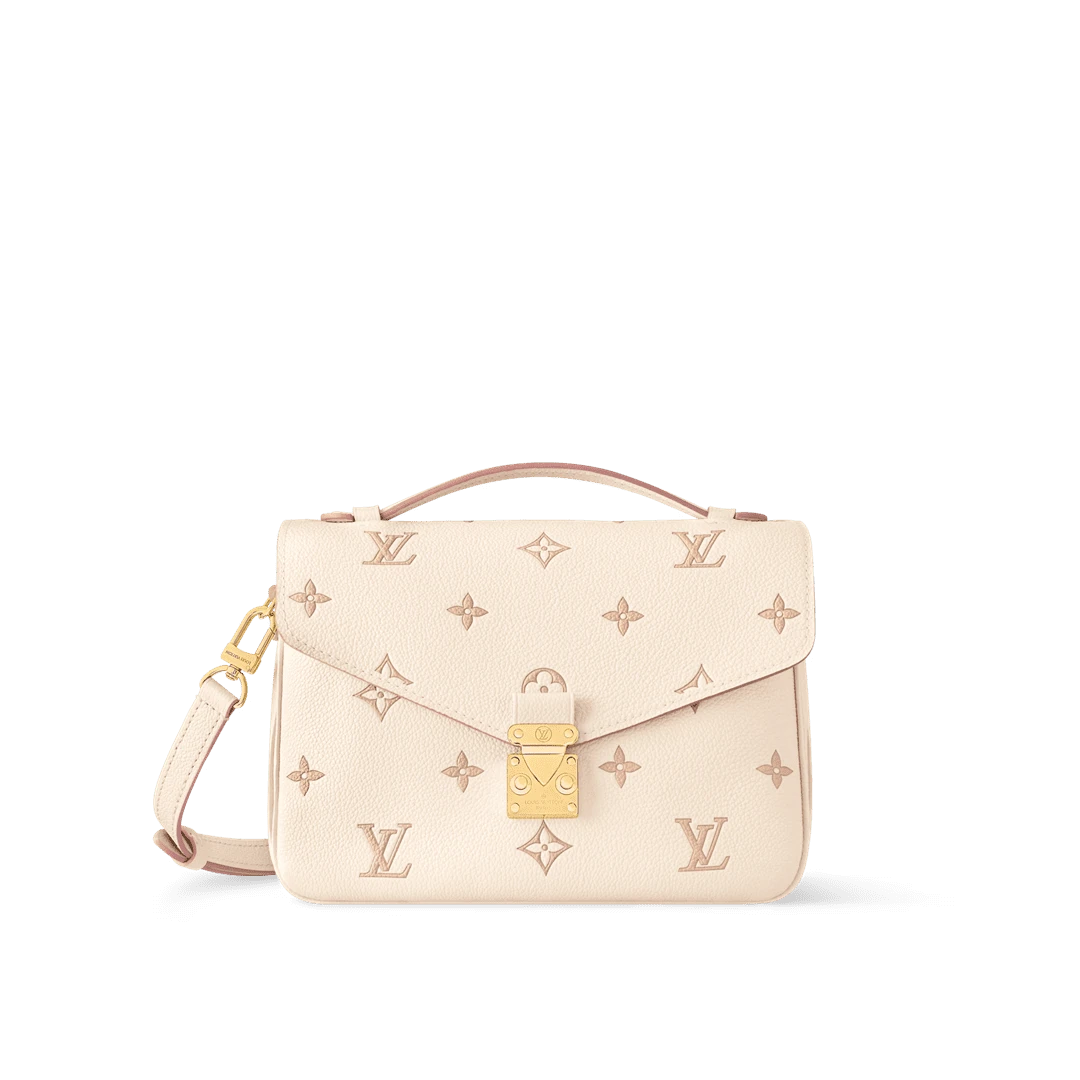
The Pochette Métis and Pochette Métis East West can both look like small flap bags at first glance. Try to imagine them in the moments you actually use a handbag. A taller compartment can make a slim wallet and phone easier to separate. A lower, longer-looking silhouette may feel more comfortable under your arm. A chain shown in one gallery can make a useful difference if you carry the bag by hand in the evening. These are different questions even when the bags look closely related.
The best comparison begins with your use of the space. Think about what you reach for at the door, on the street and at a table. A small organized bag can make those actions quicker if its partitions give your belongings clear homes. The same construction can reduce the freedom to drop everything into one pocket. This guide uses the actual listings to separate these decisions so you can choose a bag around your habits.
What the five listings tell you
| IntegrityBags listing | Published dimensions | Detail to inspect |
|---|---|---|
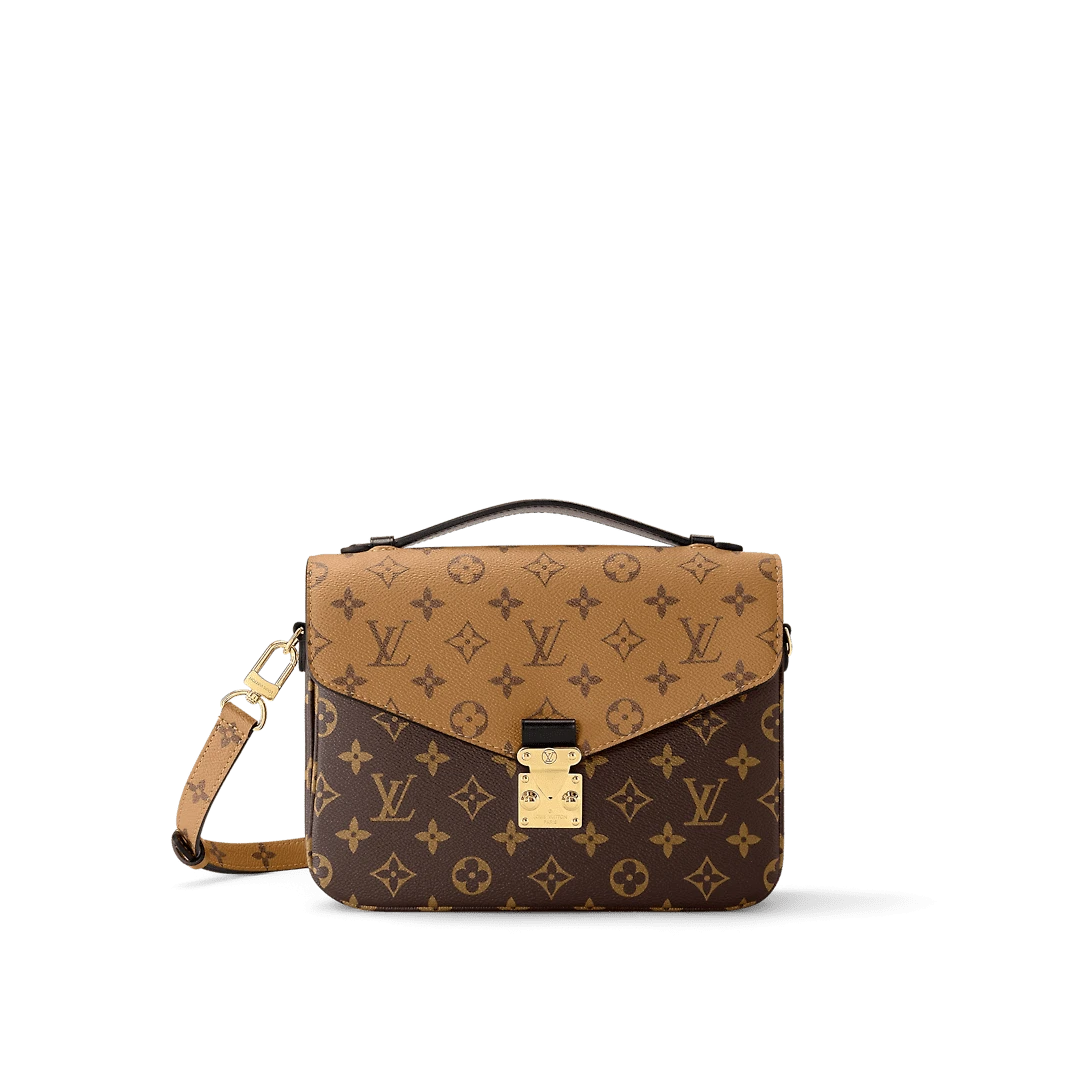
| Pochette Métis M14977 | 25 × 19 × 7 cm | Three compartments, an S-lock and the described hand and strap carry |
| Pochette Métis M44876 | 25 × 19 × 7 cm | Exact finish, hardware and interior shown in its own gallery |
| Pochette Métis East West M12429 | 21.5 × 13.5 × 6 cm | Lower profile and clearance for the items you plan to carry |
| Pochette Métis East West M23081 | 21.5 × 13.5 × 6 cm | S-lock, top handle and removable short chain described on the listing |
| Pochette Métis East West M14208 | 21.5 × 13.5 × 6 cm | Three compartments with zip storage inside and outside, as described |
Use the figures as exterior outlines. The difference between these examples is easiest to see in height. The standard bag lists 19 cm, against 13.5 cm for the three East West examples here. It also lists greater length and depth. The East West can still look more horizontal because it is lower relative to its length. That visual proportion and the actual room for objects are separate comparisons. Check the selected code before assuming that a named feature, such as a removable chain or an exterior zip, applies across the family.
Measure the object that needs an uninterrupted compartment
Three compartments give you places to sort items, and each compartment has its own walls. The published depth describes the whole exterior. It cannot tell you the thickness of a particular slot. If your wallet is thick, or your glasses are in a large hard case, the most important measurement may be the largest uninterrupted space. A group of flat objects can be easy to split among the compartments while one deep object demands a very different layout.
Lay your ordinary essentials out and put them into three groups. The first group is what you can stack without worry, such as a folded note and a slim wallet. The second contains objects you want to protect, such as a phone or a case. The third holds things that have to move quickly, such as a transit card or keys. Now measure the thickest item in each group. Include whatever prevents it sitting flat, such as a key ring or a flap over the wallet. Repeat the exercise with the one extra item you take on a typical long day.
A useful question for IntegrityBags customer support is whether your exact item can fit in a named compartment with enough clearance to lift it back out. Send the exact model code and your measurements. If you need a phone to stand vertically, say so. If you are happy to lay it horizontally behind a short card case, make that clear. Two shoppers with the same phone can come to different conclusions because they use the compartments differently.
How the standard Métis changes access through the day
The M14977 Pochette Métis describes three compartments and an S-lock. If you regularly carry a tall object and want other belongings to sit separately, the standard Métis is the first comparison worth making. Imagine an afternoon with an appointment and dinner afterward. A slim notebook goes in the back section, a wallet stays near the front, and the phone has a place you can reach without sliding the notebook out. The layout works if each piece sits low enough for the flap to close naturally and if the phone comes back out with your normal grip.
Take the phone out and then put it back while holding something in the other hand. Pay attention to where it tends to land. On a busy day, most people do this quickly rather than arranging the inside exactly as they had planned. If it lands on top of the wallet, the next time you pay you may have to move both. If you can guide it into the same pocket without looking, the partition has improved the routine. Look for this kind of small improvement when you compare bags that both pass a basic fit test.
Compare the M44876 standard listing if you like the general outline. It publishes the same dimensions, so you can make a fair visual comparison while keeping the approximate size fixed. Look closely at the edge of the flap, the position of the handle and how the bag stands in a side view. For two products with similar published measurements, those details can be more important than another exterior number.
Why the East West makes sense for a different set of errands
The East West has a lower silhouette in the listed examples. It is worth considering when a phone, card holder, small key set and one or two other flat objects are the core of your day. This could be the bag you take to a gallery, a dinner or a Saturday lunch, when a larger case or bottle usually stays behind. The goal is to give a smaller set of belongings a layout that is easy to use and a shape that sits where you want it on the body.
The M23081 East West lists a removable short chain and a top handle. Evaluate each carry method by movement. If you use the top handle in one hand, can you set the bag down and open it without the chain getting in the way? If you use the chain, can the bag move from your side to the front easily? Inspect where the chain attaches and what the exact listing says about the other carry pieces. This can matter more than the existence of several styling possibilities.
Use the M12429 East West as a second reference for the lower profile. A horizontal phone may take up most of a compartment. Before you choose, simulate how you would grip it from above. A case with a loop or a grip attachment may need more hand space than you expect. If you only get the phone out by lifting a neighboring item, you may prefer another compartment arrangement or the larger standard shape. If it comes out and returns smoothly while you stand, the East West has passed a more valuable test than looking spacious on a shelf.
Follow the flap through an entire opening cycle
A flap moves through space above the bag. Take that into account if you prefer to open a handbag while wearing it. Worn high, the flap may swing toward your ribs or the elbow on the opposite side. Worn lower, the base may move outward as you lift the flap. When the bag rests on a table, the movement is usually easier to observe, and you have more room to see the compartment edges. The same closure may feel different in these three positions.
Rehearse the motion with a similar bag. Put the bag at the height you expect to wear it, and touch the place where the fastening sits. Lift one hand to open the flap while the other supports the base or your belongings. Notice where you are tempted to bend your wrist. Then close it and see whether you can line up the closure naturally. If you use your non-dominant hand often, repeat with that hand. This is a useful way to determine whether the closure will feel like a satisfying detail or an extra step you have to work around.
Look at the exact listing gallery for a view of the fastening and another of the front with the flap open. The closed photograph shows the final position. The open photograph shows whether you can see the entrances of the compartments. Think about how the flap rests if you need to leave the bag open briefly while you remove several things at a table. A small, stable routine with two or three pieces will often feel smoother than trying to use the flap over a pile of items without setting the bag down.
Give any exterior pocket its own job
The M14208 East West describes three compartments and zip storage, including an exterior zip. A pocket you can use without opening the main flap can be valuable. What you put there should fit both the opening and the way your hand approaches it. A flat travel card, folded ticket or small piece of paper is a useful first test. A tall phone or large set of keys raises another set of fit questions, especially when the body rests against your clothing.
If you often check receipts at the end of the day, think about using the pocket as a temporary place for paper rather than mixing it with the items you need frequently. If your routine involves public transit, decide whether you feel more comfortable keeping a card inside or in an exterior pocket while you walk. You can then evaluate the position of the pocket from a security and access perspective that suits your own habits. The listing describes where the pocket is. Your route tells you whether you will use it.
Also compare what happens when the main compartments are full. A phone in the back section can change how the exterior panel feels and how easily another flat item slides into the pocket behind it. That interaction is easy to overlook if you test each space separately. For a real-world check, ask about fit while the neighboring compartment is loaded to the level you expect. Or take a comparable bag you already own and test which objects remain easy to retrieve when the other pockets are in use.
Compare how each silhouette rests on the body
The lower East West shape can create a different line under the arm than the taller standard bag. Your own frame, coat and strap setup affect that difference. In a mirror, hold a piece of cardboard cut to each published front outline at the place you expect the bag to sit. Wear the coat you use most often and then repeat in lighter clothing. The test helps you see whether you prefer the taller shape and how much it overlaps the hem or pocket opening of the clothing.
For crossbody carry, turn to the side and reach forward as if you were taking a seat. Think about whether you want the bag in front of your hip, directly at your side or slightly behind. The flatter bag may be attractive if you want an outline that stays close. The larger bag may place its compartments at a more comfortable height for your hand. Compare both with the strap range and attachment points you can confirm for the exact product. Do this before you decide whether the smaller silhouette will be easier to wear.
Visual balance is also affected by the way the carry piece meets the hardware. A short chain can draw attention near the top, while a longer strap produces a line across clothing. If you plan to use two modes with different outfits, choose a product whose confirmed configuration makes both practical. You should be able to name the setting in which you will switch modes. That turns an attractive styling option into a feature you know you will use.
See whether the closure and handle share the same hand
On a short outing you may hold the top handle long enough to take a phone call, pass through a doorway or hand the bag to someone. The handle supports the bag in a different place from a strap, which changes what happens when you open the flap. Set a similarly shaped bag on a chair beside you, pick it up by the handle and try to recover a small item without moving the rest. Then repeat it with the bag against your side. Check the exact product gallery for clearance between the carry piece, the flap and the top of the bag. That clearance affects whether you can keep your fingers in the handle while you reach. A person who mostly sets the bag on a table may barely notice it. Someone who keeps moving while they pay for lunch may notice it every time.
As a final check, take the compartment you expect to use most and ask what it will carry when the bag hangs on a tilt. Slim pieces can lean together when the bag is turned. A small cloth sleeve can keep two easily confused items apart without adding the hard edges of another case. You can test that little adjustment in the bag you own before you make a size decision.
Decide with a quick change-of-plans test
Build a load that suits your intended outing. Now imagine someone gives you an extra item to take home. A receipt can go into a thin pocket. A compact book, a glasses case or a larger phone takes meaningful room. Try to include that kind of change without blocking the closure or the two objects you reach for most often. This shows how much flexibility you value. Some buyers will happily carry a second small bag for an occasional extra. Others prefer their main bag to handle the surprise without a change in routine.
The standard Métis is the first choice to explore when taller pieces and separate daily compartments are central to your routine. The East West is worth putting first when you carry a flatter set of items and prefer a lower profile, especially if the exact chain or zip configuration fits a real use. Keep track of the product code, the main item you measured and the carry option you expect to use. If you decide you want a different opening altogether, the Louis Vuitton selection lets you compare other shapes using the same three questions. A good fit is the bag you can open, use and close naturally over an entire day.
Compare these products