Blog
How to Find the Right Fit in Backless Mules

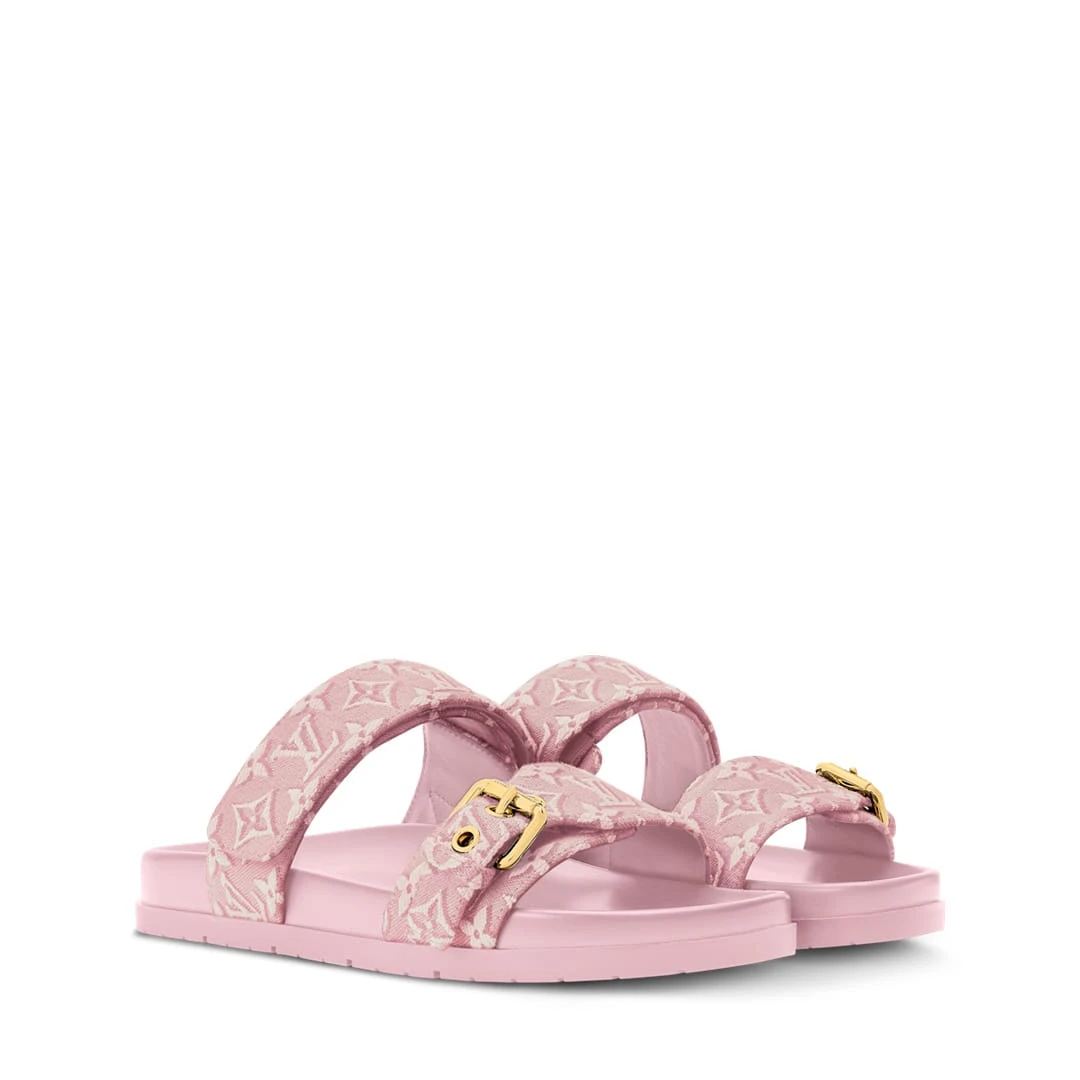
A mule makes fit visible in ways a closed shoe does not. You can see where your heel lands, but the place that holds the shoe may be under the upper where the photograph reveals very little. A longer size can give the foot more room while leaving the upper too loose to carry the shoe naturally. A shorter size might feel secure on the first step and still put the heel at the edge of the footbed.
Start with the shape of the shoe and the shape of your feet. Then compare measurements from the relevant listing, consider the socks or bare feet you expect to wear, and finish with a short walking test when you can try the shoe. The Integrity Bags shoe collection gives you several silhouettes to compare while working through those steps.
Identify the part of the mule that holds your foot
Look at the shoe in profile before deciding what size you need. An open mule may use one or more straps across the forefoot. A closed mule may cover the toes and extend farther up the instep. Those shapes hold the foot in different places. If the shoe regularly shifts during walking, you need to know whether the length, the width or the upper's hold is the likely cause.
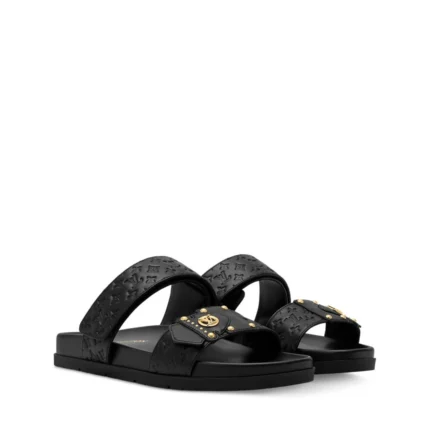
Compare the Bom Dia Flat Comfort Mule and the Colorado Closed Mule by opening the exact listings and studying the amount of foot coverage. Look for a photograph that shows where the upper finishes toward the back. Record which areas you can clearly see and which you would need to verify when trying the shoe.
If you have a mule that works well, wear it and move your foot slightly forward and back while standing. Notice where it becomes secure without much effort. Then take it off and identify that part of the upper. You may discover that one seam or strap sits behind the widest part of your forefoot. An apparently similar mule with the hold moved forward can feel quite different, even if the outside lengths match.
For a shoe you intend to wear while walking farther than across a room, give the hold the same priority as heel placement. You should be able to take an ordinary step and let the shoe follow your foot. A mule you have to pull along by repeatedly gripping with your toes may need a different fit or shape. Observe the motion first so you can explain what the shoe is doing.
Measure both feet under your normal conditions
Put a sheet of paper against a straight wall on a firm floor. Stand with one heel lightly against the wall and enough weight on the foot for it to sit naturally. Mark the point of your longest toe. Repeat for the other foot. If your second toe extends farther than your big toe, use the second toe for the length. Repeat any mark that looks inconsistent when you stand again.
Mark the width across the widest part of the forefoot. Keep your body upright while making the marks, or ask another person to help. When you bend over to reach the paper, you may shift your weight and change the shape you are trying to measure. The same setup and pressure on both sides are more useful than trying to measure to an unrealistic level of precision. Clarks foot measurement guide
Measure under the conditions you expect to wear. If the mule will usually be worn barefoot, use bare feet for the main record. If you plan to wear a thin sock, take a second set with that sock. A sock can occupy room under a closed upper and change the feel of the footbed. Keep the two measurements and the footwear plan together so you know which baseline you are using later.
Take a second set of measurements at a time that resembles your normal use if the first result is close to a size boundary. You might plan to wear the mule after a day spent standing rather than first thing in the morning. Two repeatable measurements help you separate a consistent difference between feet from a small variation caused by the setup.
Read what the size chart actually measures
An online size chart may show foot length, insole length or a row of regional labels. A foot-length row normally tells you which measured foot a size is intended to fit under the chart's method. An insole measurement describes part of the shoe. An outsole measurement includes exterior material. These measurements answer different questions even when all of them are printed in centimeters.
If the listing gives an exact foot-length range, use the stated measurement method and compare both feet to it. If it gives a footbed length, find out how that length was taken. It might run from the very back of the sole to the point of the toe, or it might represent the portion where a foot can sit. A rim, an upturned toe or a narrow pointed shape can make those measurements meaningfully different.
Picture two mules with an external length of 26 cm. One has a blunt toe and an open back with a broad landing area. The other has a closed pointed front and a raised rim around the heel. An exterior length comparison tells you little about whether your longer foot fits the supported part. Ask for dimensions relevant to the internal space or use the seller's chart when it clearly states which feet the item fits.
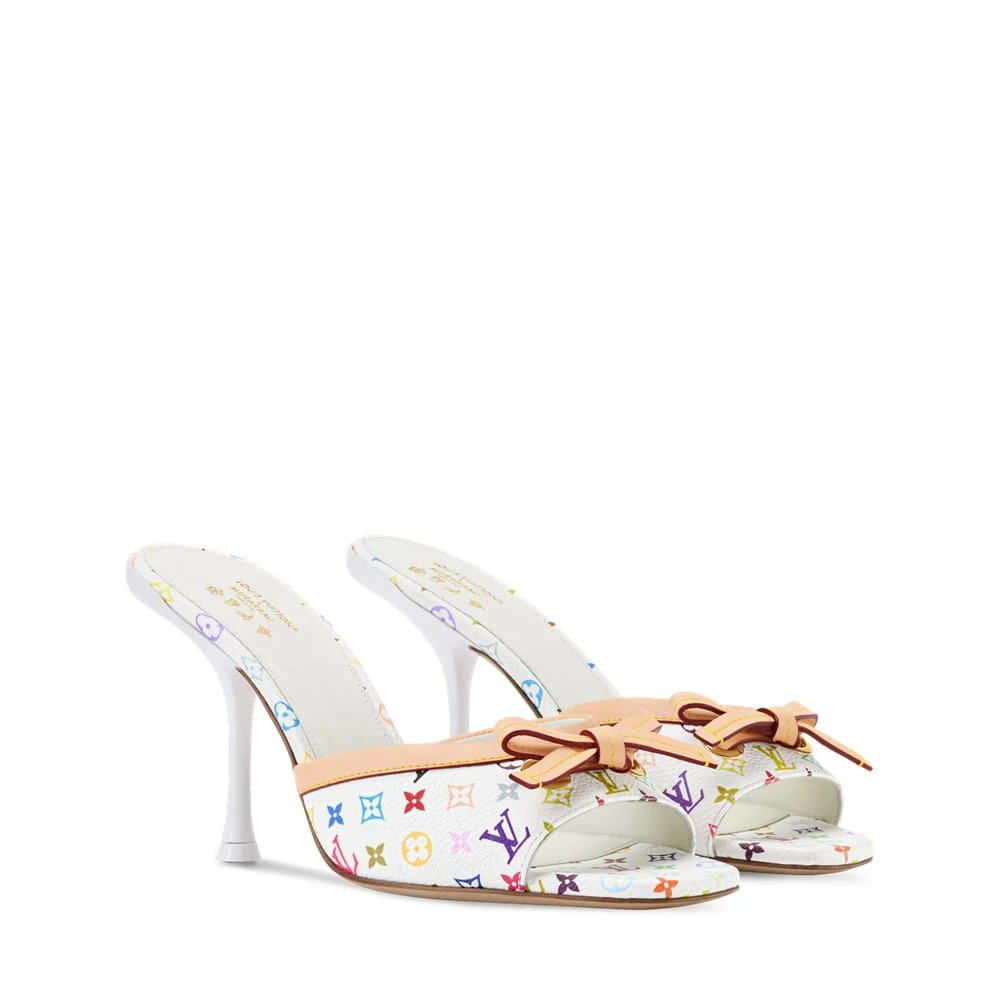
The LV x TM 6AM Mule listing and LV Frame Comfort Mule listing are useful practice pages. Use the exact product and option when you look for a chart or ask about fit. Keep a note with the unit, the kind of measurement, and the page where you saw it. That small record can prevent a regional size conversion from being mistaken for an actual measurement.
Judge heel placement against the usable footbed
In an open-back mule, your heel needs a place to land where it feels supported as you stand and step. Look from directly above while your foot is settled. Then look from the side. If the heel is hanging over the functional part of the footbed, moving forward with your toes will only disguise the problem temporarily. In an open-toe design, also check the front and sides while your weight is on the foot. APMA sandal fitting guidance
Some mules show a border of the sole around the foot. Use the raised or contoured parts of the footbed to distinguish support from a decorative edge. A broad exterior ledge can make the shoe appear long even when the usable interior is close. A shoe photographed at an angle can make the outside edge appear farther from the foot than it is. A top-down image is useful for checking outline, and an actual fitting is useful for checking where your foot settles.
Observe how far forward you naturally sit under the upper. If the toes move forward until they reach an edge, the heel might look correctly placed for a moment. Walk a few steps and see whether that position holds when you stop. If the upper stops the foot at a comfortable position, you should be able to repeat the same placement without constantly resetting your heel.
For a closed-front mule, check this with the heel and the front together. A concealed toe can be curled or crowded without being obvious in a mirror. After standing and walking, ask yourself whether the toes can rest in their ordinary shape. If your heel needs to hang back to make that possible, you need to investigate the available front room and upper shape separately.
Test width and instep volume as separate decisions
Width is the space across your forefoot. Instep volume concerns how much space there is above the top of your foot under the upper. You can have enough room across the sides while feeling pressure on top. You can also have a foot that enters easily under a roomy upper and still spreads over the edge of a narrow footbed when standing.
Observe where any contact occurs. Side pressure near the little toe points to a different problem from a line pressing across the top of the foot. In a closed mule, a seam or edge may land on the highest part of the instep. Try the other foot and compare. A pair can feel secure on the higher-volume foot and slide slightly on the lower-volume foot. Choose with the more demanding foot in mind and check the other one deliberately.
If you wear the mule with socks, repeat the test with the specific socks you plan to use. A smoother surface can allow the foot to slide farther forward in one shape. A thicker sock can increase grip or create unwanted pressure in another. Carry the same socks when you compare candidate styles. Otherwise you may attribute a difference in feel to the shoe when the sock changed at the same time.
Look for a documented adjustment if your foot has trouble staying in a comfortable position. Some open designs use adjustable straps, while a closed silhouette may rely on the shape of its upper. A listing photograph can show buckles or strap details. Confirm how the specific item adjusts before treating visible hardware as a way to solve a fit problem.
Try a short walk that resembles how you will wear it
On a clean indoor surface, stand with both shoes on and take several ordinary steps. Avoid shortening the stride or concentrating on holding the shoes in place. Turn, stop and start again. Pay attention to how the upper picks up the shoe as your heel lifts. Notice whether either foot keeps moving forward or sideways after the first few steps.
Use a realistic movement for the job. A mule chosen for quiet indoor wear may only need to feel reliable through a few turns on a smooth floor. A pair chosen for everyday errands should feel comfortable when you walk at your ordinary pace and change direction. Avoid testing on a wet or uneven surface during an initial fit check. Check the return policy for conditions that apply before trying a new pair outside.
If a shoe feels fine when standing and slips repeatedly while walking, note how it slips. A heel that moves a little as the foot lifts is part of the motion of a backless shoe. A foot that needs a fresh grip on every step, shifts to the side, or strikes the front repeatedly gives you a clearer reason to reconsider the choice. The direction of movement helps you ask about the right dimension.
When two sizes are close, repeat the same route with both if you can. Write down which foot moves, which area presses and whether you changed your stride. It is common to remember the first impression strongly and overlook the feeling after several turns. A small repeatable test makes the comparison easier to trust.
Handle size boundaries without a universal conversion
Suppose your feet measure 24.3 and 24.6 cm. The store chart for one exact model may place the longer foot at the upper edge of an available size. Another chart may treat the same measurement differently. If the longer foot is also wider, confirm how the upper and footbed allow for that width. If the shorter foot sits loosely, check the hold rather than choosing exclusively by the longer foot.
Compare a shoe you know with the same shape if you can. An open mule that already feels comfortable is a good physical reference for where your heel lands. A closed sneaker of the same printed size has limited value as a reference for the placement of a strap on a mule. Its measurements may help with foot length, while its upper and heel construction solve different problems.
If a model gives you enough length only when the upper becomes too loose, consider a different shape. More length is not always an effective way to create forefoot width or instep space. A similar Bom Dia mule listing also needs its own size check. Keep the exact model and option on your comparison so you do not mistake two visually related listings for one size run.
When a specification is unclear, send one question that explains the constraint. State your longer foot measurement, the width if it matters, and whether you will wear socks. Ask whether the published figure represents recommended foot length or the usable length of the shoe. Integrity Bags contact
Make a shortlist based on the part of fit you can verify
For every candidate, record open or closed front, the location of the upper's hold, the type of size information, and the exact option you would choose. Add one physical observation you expect to confirm. You might write “heel centered when standing,” “top of the foot comfortable in a thin sock,” or “no repeated sliding toward the toe on turns.”
If you use one foot more heavily to change direction, start the walking check with that turn and then repeat it the other way. A slightly shorter foot may move more inside the shoe even if the longer foot determines the required length. Compare how your feet settle after a few steps, rather than choosing on the first moment of standing. Write down whether the hold comes from the instep or from your toes pressing forward, since that distinction helps when comparing another upper later.
Keep the options that match your measured length and give you a credible answer about width or hold. If you are comparing several attractive designs, choose the one with the clearest relationship to your use. A mule you plan to wear around the house can win on easy entry. A pair for errands may win because your step stays natural when you turn and change speed.
Your size label remains useful for finding the option in the listing. The foot measurements, footbed placement and walking test give you the evidence to decide whether it belongs on your feet. Save those details with the exact product page so the next size comparison starts from something you have actually observed.
Compare these products