Blog
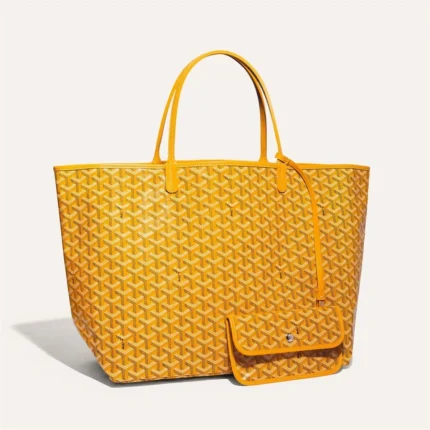
Goyard Saint Louis PM or GM? A size guide for the open tote you will actually use

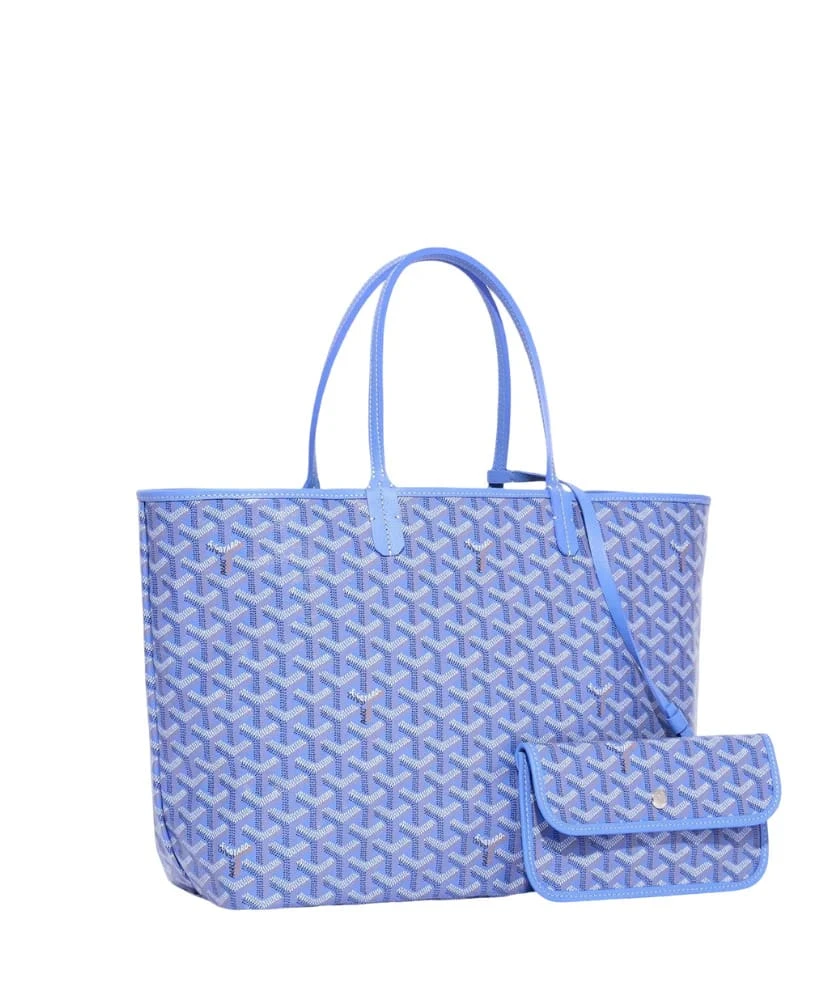
An open tote seems like a simple purchase until you try to choose its size. The bag must be easy to slip over a shoulder, wide enough for your belongings and small enough to carry comfortably on a day when you bring less. The Saint Louis PM and GM are useful to compare because the day-to-day difference involves how you organize and lift a flexible tote. The broader bag can be excellent when there is a real job for the extra room. A smaller one can make familiar objects easier to locate.
The individual IntegrityBags listings give you different levels of detail. One PM provides three numbers and a description of the reverse. One GM gives three body measurements and a handle-height figure. Another GM only lists two body measurements. You can use these differences to ask better questions and keep the shopping decision tied to the product you will receive.
What the three product listings actually say
| IntegrityBags listing | Published measurements | Useful detail for your comparison |
|---|---|---|
| Saint Louis PM coated canvas tote | 28 × 15 × 34 cm | Describes Iris and Fuchsia options with a floral reverse on the pictured edition |
| Saint Louis GM with three measurements | 43 × 21 × 34 cm | Lists a 21 cm handle height and identifies the canvas, trim and inside materials |
| Saint Louis GM with two measurements | 38 × 30 cm | Confirm which dimensions these represent, and request the missing figure if it matters |
The measurements appear in the order shown on the listings. The pages do not label the axes consistently. There is a 34 cm figure in the PM and the more detailed GM entry, which does not establish that the two bags are the same height. Avoid comparing figures by their order in the table if you cannot confirm what was measured. Use a clear photo of the bag and ask whether a number refers to the opening width, base width, body height or depth. Those distinctions matter in a tote with sides that can spread.
Measure the four parts of the tote that matter
Start with the opening. This is the width across the place where a folder, towel or pouch has to pass into the bag. Then look at the base. A tote can be wider near the top, so the floor may give a stiff object less room than the opening suggests. Body height determines how far an item can sit below the rim. The handle drop or height determines whether you can put the bag on your shoulder while wearing what you normally wear. These four dimensions answer four different questions.
Write down two of your own dimensions before you send a product question. The first is the width of the object that needs to lie flat. The second is the height of the tallest object you want to keep below the rim. The widest object could be a folder or a long box. The tallest could be a water bottle or a tablet in a protective cover. Include the feet, caps and edges that prevent each item from sitting flat. A taller item that can lie down may need more base room, so decide whether you can use both orientations.
Look at the precise listing and state what you want to do with the object. If you want a notebook to lie flat, ask for the usable base at its narrowest point. If you want to lift a tablet out without shifting other pieces, ask for the opening and how the tablet sits against the inside. If the product page shows only two numbers, ask IntegrityBags customer support for the model and which two dimensions they describe. You can get a practical answer without asking someone to interpret a whole size chart for you.
Test the PM for a repeated day with a tidy load
The Saint Louis PM coated canvas tote is the first comparison to make if your normal load has a familiar shape. You might carry a phone, wallet, glasses, keys, a lightweight layer and a compact pouch for the things you use at work. In a tote of smaller scale, those belongings may stay within easy reach because the body gives them fewer places to move. The choice still depends on whether the exact base and opening suit your largest items.
Think about how your load changes before you leave the building. A scarf may come off inside. A bottle may go from upright to lying flat. You may collect a sheet of paper or put a small shopping bag inside. Rehearse this change with a tote you already have. Start with the items you always take. Add only the usual extra and see whether you still have a clear path to the wallet and phone. If the new object can join the arrangement without covering those two things, the PM is doing more than holding your starting load.
Look at the PM as part of your outfit as well. Hold a tote at the place where you expect the body to rest and see where its top and bottom sit. Walk through a doorway with a coat on. An easy shoulder carry gives you room to move your elbow without squeezing the opening shut. If you often carry the bag over a thick sleeve, a measured handle drop can be more valuable than a broad front photograph. For the PM, request that measurement if the listing does not specify it.
Give the GM space a clear purpose
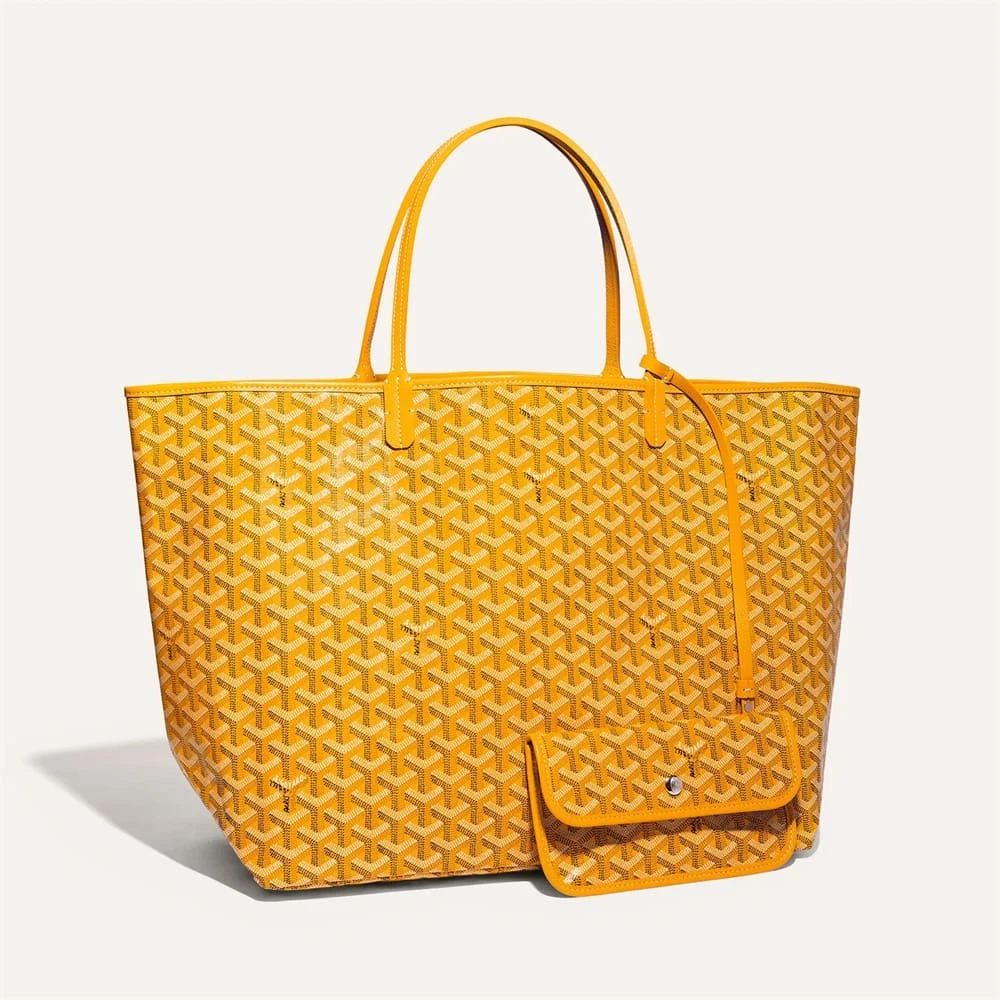
The GM with three listed dimensions gives you a useful starting point when you want the bag to handle a load that changes. A weekend day could begin with a small pouch and a water bottle, then add a wrap, a book or something you have bought before you go home. On a commute, you may need space to place a folded outer layer separately from the things you use often. The larger bag makes sense when the extra area lets you create distinct groups rather than pushing everything into one stack.
Try arranging your ordinary load on a table. Put the items you use at the same time in one group. A notebook, pen and thin case can travel together. Keep a phone or card holder in a location you can reach independently. Use the widest soft item as the boundary of a second group. When you carry the equivalent arrangement in a larger tote, see whether either group falls toward the middle. It is helpful if the bag gives you room to separate things and the arrangement keeps them separate after you walk.
The GM with two listed dimensions is worth considering if the gallery appeals to you and you can get the measurements your use depends on. A sparse listing is a prompt to compare with evidence. If you know a folder must rest across the bottom, get that dimension for this exact product. If the product is mainly for soft things, check whether the shape and handle clearance make sense, and ask for the missing size detail only if it would change the choice. That approach keeps the decision focused on what you will use.
Rehearse reaching into an open bag in public
An open tote can be convenient because you can drop a soft item inside and find a large piece quickly. That ease comes with a practical decision about where you store small and valuable things. When you move through a crowded space, you may want to keep a wallet and keys together in a closed pouch or inside a separate secure pocket you have confirmed for the exact bag. If you frequently reach for a card or phone, find a location that works with your own comfort and lets you retrieve it without spreading the opening wider than you want.
Try walking, stopping and reaching before you judge whether a bag is organized. Stand near a table, put a familiar tote on your shoulder and find your card with your other hand. Return it without looking. Then turn and make the same move after the bag has shifted against your coat. You are testing whether your hand finds an item by a repeatable path. Loose small things tend to settle underneath large soft ones. A flexible pouch with a distinct texture can help you recognize the right group while keeping the interior less crowded.
The same test is useful when you set the tote down. Put it on a chair and then on a narrow surface beside you. If the top spreads, your belongings will be easier to see. That may be helpful at home and less welcome in a busy waiting area. Think about what must be within easy reach and what you want more protected. A wider open tote can be excellent for a garment or notebook. Smaller valuable objects deserve their own location and a routine you can repeat.
Choose a handle length for the thickest clothing you use
The more detailed GM listing reports a 21 cm handle height. Treat that as an individual product figure. If you use handle drop to make a decision, confirm where the measurement starts and ends. The distance from the top edge to the highest part of a handle is more useful when you know whether it was measured with the tote standing empty or in another position. A handle can appear generous in a studio image and feel closer to the body when you put a winter coat under it.
Use a bag you already own to find what works for you. Put it on your shoulder over your usual coat. Make a note of how much room you have to insert your arm, and whether the top edge catches on your elbow. Try slipping the bag off in one smooth movement without the help of your other hand. Repeat in a thin shirt. That reveals the length you would actually use rather than relying on a general guess from a front view. A person who usually wears a blazer and a person who wears a padded coat can have different preferences even if they have similar frames.
Pay attention to how the bag feels once the load is inside. A dense object on one side can tilt the body and change the way the two handles sit. Rearrange the load until the bag stays closer to where you expect. This may make a larger tote easier to carry without having to hold the rim. If the bag still feels too far from your hip when you turn, the PM may suit your everyday route better, even if the GM would hold more at a single stop.
Think through the floral reverse as part of the product choice
The PM coated canvas listing describes Iris and Fuchsia colors and a floral reverse for that edition. A reverse pattern is worth thinking about beyond whether you like a single photograph. Imagine the other side as the one facing outward on a day you wear the bag. Look at the gallery for the treatment of the seams and trim when the tote is shown that way. Consider whether you want the pattern to be a feature you use regularly, or an inside detail that makes the open top more visually interesting.
Check the actual selectable color, description and photos together. A label may name a color and the gallery may show multiple configurations. If you would only buy the bag with a particular combination, get confirmation that your chosen variant shows that pairing. The detailed GM page lists a canvas and calfskin construction with an inside described as linen and cotton. The alternate GM listing gives only limited dimensions. The PM description does not establish a reverse design or any accessory across the other product pages.
Think about how you will store a tote with two sides you may use. Keep items that transfer color or leave marks in a separate pouch, and check the exact listing or ask for the recommended care instructions. If you use an organizer, lift it out before changing which side faces outward. Decide whether changing sides will fit your routine or whether you prefer to keep one arrangement for easier access. Having another visual option is more valuable when it does not require you to reinvent the way you pack.
Learn what your organizer costs in space
An organizer can make a flexible tote useful on workdays. It can also occupy some of the space and flexibility you chose the bag for. If you already have an insert, measure its outside when it is loaded, including its seams and handles. Compare that with the usable base rather than with the widest part of the bag. Pay attention to height, too. The top edge of an organizer can keep a pouch from sliding in smoothly even if the footprint appears to work. The best organizer gives things predictable positions while leaving room for the item you bring only on some days.
An alternative is a small number of separate pouches. Put the everyday essentials in one and use another only for things you need together. This can be useful if you often move between a tote and a smaller bag. To test it, take the daily pouch out and move it to a shelf. Then see whether the remaining objects still stand or settle into a corner. If the removal of one pouch makes the whole load collapse into the center, consider moving a soft layer to the bottom or choosing a more stable place for the rigid items.
Look at the tote after you remove the organizer. Does the simpler shape suit the occasional day you carry only a book or a folded layer? One reason to choose a flexible tote is that it can accommodate different arrangements. A useful size lets you change the inside without making the outside cumbersome. Try one light day and one full day with the same tote before deciding how much structure you want to add.
Choose a model by the job you can verify
Make a short note with your three largest objects, the shoulder drop you already know works and the first item you reach for while standing. Use that note to compare the product pages. If you want the PM for shorter days, verify the base against the one rigid item you bring. If you want the GM for variable days, make sure the extra room gives you separate places for the things you carry and that you can still reach them easily. For a two-number listing, confirm the missing measurement only when that information is necessary for your actual load.
The PM coated canvas tote is a good candidate for someone with an edited daily load who also wants to compare the pictured color and reverse. The detailed GM is a useful place to start when your day regularly adds a layer, a book or a second pouch and the handle height works for you. The other GM is a separate product with a separate measurement question. Keep the exact product link next to your notes, then choose the one that works in the ordinary moment you repeat most often, from slipping it over a coat to finding your card on the way home.
Compare these products