Blog
CarryAll PM or MM? Pick a shoulder bag for the load you actually carry

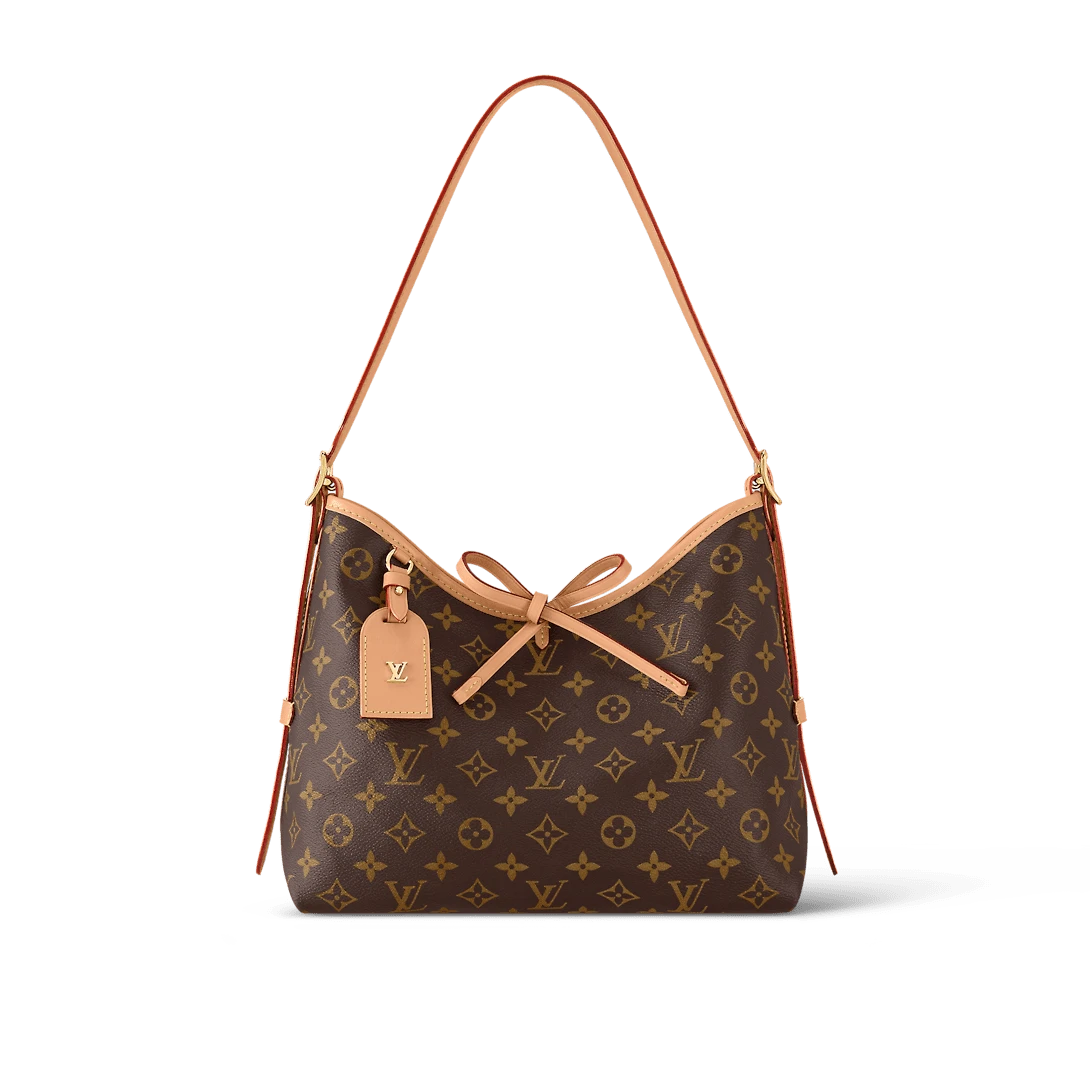
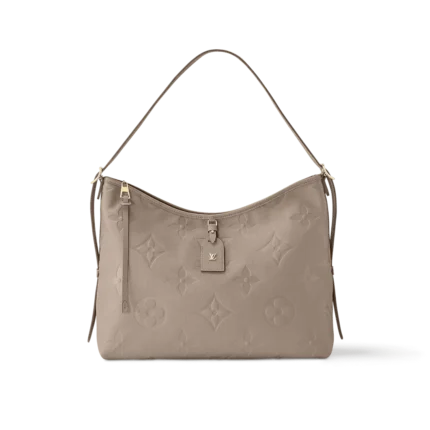
A soft shoulder bag is often chosen because it seems adaptable. The CarryAll PM and CarryAll MM bring different kinds of adaptability to an ordinary day. The smaller size can make a good home for a familiar, easily arranged set of belongings. The larger size gives you more latitude when your plans add a book, a folded layer or a second pouch. The bigger shape also moves differently when the load is uneven or you need to walk through a busy doorway.
You can make the decision by following your bag from the moment you leave home until you put it down again. What do you pick up just before going out? Which thing do you reach for on the way? Does the bag have to carry a surprise on the way home? The answers are easier to use when you tie them to the dimensions on the product page and to the kind of shape you want under your arm.
Compare five CarryAll listings by their actual figures
| IntegrityBags listing | Published dimensions | Use this example to check |
|---|---|---|
| CarryAll PM M46203 | 29 × 24 × 12 cm | A familiar set of essentials plus a soft extra |
| CarryAll PM M47180 | 29.5 × 24 × 12 cm | An alternative PM with almost the same exterior outline |
| CarryAll MM M46292 | 39 × 30 × 15 cm | A fuller load, a taller item and more side-by-side room |
| CarryAll MM M46669 | 39 × 30 × 15 cm | Another exact MM gallery to compare while the dimensions stay fixed |
| CarryAll MM M25143 | 39 × 30 × 15 cm | The listed details of the particular finish and carry setup |
The figures describe the listed exterior. In these examples the step from PM to MM adds about ten centimeters to the first measurement, six to the second and three to the third. That is a change in width, height and depth together, which makes it more noticeable than a single increase. A flexible silhouette can follow the contents and look different at different loads. Use the dimensions to screen for your major items and the gallery to assess the structure. A three-dimensional outline gives an impression of scale. It does not guarantee the usable room under a closure or around a partition.
Run the apartment-door test
Most carry guides start with what is inside the bag. Start instead at your door. Take the things you typically pick up just before leaving, such as a transit card, a phone, a bottle, a thin notebook or an umbrella. Put them in your current bag in the order you normally grab them. Walk out of the room, close the door, and look for the first thing you need without putting the bag down. It might be keys you just used or the card that opens a building downstairs. Count the movements you make. If reaching one item means moving a second, your current bag may have more of an access problem than a capacity problem.
Try the same exercise with two packing layouts. In the PM layout, keep the hard objects beside one another and put the soft items lower. In the MM layout, give the extra layer and larger object their own sides. Keep the two things you use at the door in the same easy-to-find place in both versions. The layouts show whether more room solves the original problem. If the essentials still disappear under your scarf, the change you need might be a consistent pouch location rather than more dimensions.
An additional step makes this test more useful. Set the bag down, walk away and come back an hour later. When you pick it up again, which side do you naturally bring to the front? A useful arrangement makes sense after a break. That matters if you use the bag at the office, at a gym or in a waiting room and only handle it a few times in the middle of the day. It is easy to remember exactly where your wallet went two minutes after you packed the bag. A reliable layout makes it easy to find after a longer pause.
Use the PM when you can describe the daily load in one sentence
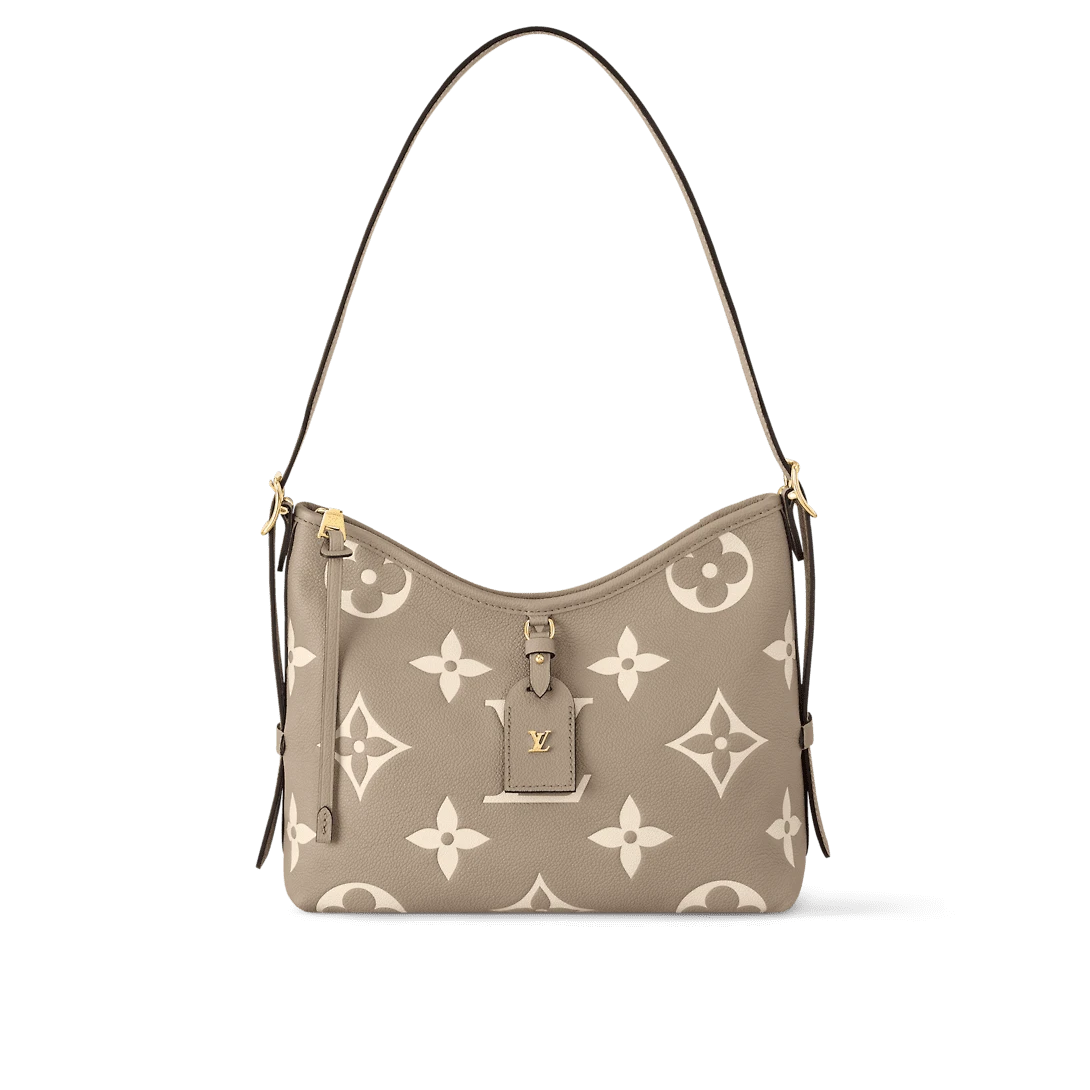
Consider a normal weekday without the things you carry only on exceptional days. A PM candidate could be a phone, wallet, small keys pouch, glasses case and a compact item you use away from home. The CarryAll PM M46203 and M47180 give you two published outlines around 29 cm across and 24 cm in the second dimension. The difference of half a centimeter between the first figures is too small to settle a close fit question by itself. The better reasons to choose between them are the confirmed finish, configuration and carry details of the individual products.
A common PM scenario is a person who starts with a tidy core and adds a small object halfway through the day. Picture walking to a morning meeting, taking off your gloves and then stopping at a shop on the way home. If the gloves can go behind your wallet and the new item lies flat, the smaller bag could fit the day without making you search through the interior. If the shop regularly hands you something rigid, or you end up carrying a second pair of glasses and a long notebook, list each item by its actual size before deciding.
There is another way to tell whether the PM suits you. Think about the biggest thing you habitually put on top of the bag’s contents rather than beside them. Sometimes it is a scarf or lightweight wrap. If you can pick that piece up as one soft layer and your essentials remain in view, the PM may work well. If the top item forms a firm lid because it fills most of the opening, you may want a more generous arrangement. The important distinction is whether you still get to the objects below it at the speed you need.
Give the MM its own packing plan
A larger interior becomes more useful when you use the extra dimensions deliberately. The CarryAll MM M46292 lists 39 × 30 × 15 cm, as do the M46669 and M25143 examples. That gives you a larger outline for separating groups of belongings. It could serve a long day when you take a thin work folder or book, remove an outer layer at midday and still want easy access to your usual personal items. Check the actual size of any tablet or notebook with its case on. The exterior figures leave some room for thinking about it, and the opening, depth and interior shape determine whether a particular item fits.
Make the bottom group from the pieces you handle less often. A folded layer or soft pouch can make a useful base for items that would otherwise settle into corners. Put the larger flat item against a panel only if it can sit there without bending in a way you dislike. Keep frequently used small items in a separate place near the hand that approaches the opening. If you put your wallet under everything because you want it out of sight, test how long it takes to get it at a crowded counter. That arrangement may work on some days and fail on others.
Check the end-of-day weight. It is easy to pack more because the MM can take more. Fill a bag you already own with the real items and wear it for a few minutes indoors. Take stairs if that is part of your route, then stop as if you were standing on a train. Decide whether you prefer a fuller bag on one shoulder or whether one part of your load would travel better separately. The MM earns the larger outline when you appreciate the space on ordinary days and can carry the weight comfortably.
Check where the soft body rests when it is partly full
How a flexible bag sits has as much to do with the arrangement of the contents as with the outline. A small dense bottle in one corner can pull that side down. A broad flat item can give one panel a straighter line. A soft layer near the bottom can change the way the bag rests against your hip. These changes are normal things to consider in a shoulder bag. Look for a product gallery that shows a side view and a view where you can see how the carry piece meets the body. Pay attention to what you can confirm from the selected product rather than assuming every gallery shows the same load.
Try walking with a light bag that holds only the objects you take on quick outings. Then add the ordinary long-day items. Watch where it touches you. If it sits flat with a light load but starts pressing a rigid corner against your body when you add a book, move that item or change its orientation. You might prefer the extra width so you can lay a piece down. You might prefer the PM because you already know you would stop adding items after a certain point. The two tests make those preferences easier to separate.
Also check whether you like the shape you see in motion. A bag may sit well when you hold your shoulder still in front of a mirror. As you reach toward a coat hook, turn to let someone pass or step up onto a train, it may move forward. Those moments matter if you wear it almost every day. A manageable width and a carry position you can adjust to the clothes you normally wear are worth checking alongside how much the bag holds.
Use the base and the top opening for different measurements
The bottom needs to support the arrangement. The opening needs to let you retrieve a piece. Measure both in your comparison. Start with your widest book or pouch and the one object you often carry next to it. On a table, mark the listed outside footprint with tape, leaving a conservative margin for edges. Place the two items inside. Move them without changing the footprint and note whether the arrangement requires perfect alignment. A little room to slide a hand between the pieces can matter more than the maximum number of things you can place within the outline.
Now think about your exit route for each object. A notebook that rests flat may come out at an angle. A tall item may be easier to lift up while the bag is set down. A wallet may need very little room at the top if you know where it sits. If a single object barely clears an exterior number, reach out to IntegrityBags customer support with the exact product code and ask about the relevant internal clearance and opening. Describe whether you expect to insert the item vertically or lay it flat. The advice will be more useful if the answer refers to the same placement you intend.
Look separately at closure and included storage. The exact listing may describe details relevant to how you separate your belongings. Confirm what is included for the product you select, how the closure is shown and whether the photos reveal enough room for your hand. If you plan to use an organizer, measure its whole outside including the seams and any loops. You want to make the contents easier to reach without taking away the benefit of a softer shape.
Compare the three MM versions without assuming the same finish
When the published dimensions match, create a fair comparison by opening the M46292, M46669 and M25143 galleries at the same time. Start with the front views to assess the overall line, then find the side views, close-ups and any interior photos. One finish may be easier to pair with the clothes you wear often. Another may draw your eye to the hardware or seams. The dimensions help you keep the comparison about details once you have decided the MM fits your use.
Use the photos to see where your hand might rest at the top and where the carry piece might sit against a thick sleeve. Ask whether you prefer a roomy shape close to the body or a drop that gives your elbow more clearance. Compare actual listed materials and carry descriptions as supplied. Check any care instructions on the exact product before deciding how you will store it. A description of one CarryAll cannot answer for another that looks similar.
If you find a related CarryAll whose title includes another word such as Cargo, give it its own line in your comparison. The named variant can have a different exterior size and layout. The safest shopping habit is to save the full model code rather than just the brand, size and color. That is also helpful when you revisit a product after comparing several listings in the Louis Vuitton selection.
Decide using your busiest five-day stretch
Imagine the busiest five ordinary days on your calendar. For each day, list one thing your bag must do. One day it might keep glasses easy to reach. Another might ask you to bring a folder. A third may require carrying it through a commute in a thick coat. If the PM handles most days and the remainder are occasional exceptions, you can judge it for what it does well. If most days require extra room and the bag still hangs comfortably after you load it, the MM is the stronger starting point. That is a firmer basis for deciding than asking which size is generally more practical.
Include at least one occasion when you set the bag down with its contents still inside. In a shared workspace, for example, it may sit on a chair while you reach for a notebook. At home it may land on a narrow shelf. Check the surface you use and think about which side of the loaded bag will face you there. A soft bag can change its outline according to where a rigid object rests, so that moment is worth considering alongside the attractive straight-on product photo. If your shelf is shallow, verify the depth of your intended arrangement before deciding how much extra volume you want.
Before making a purchase, note the exact model, the item with the tightest fit and the one comfort check you care about most. A CarryAll should give your belongings a dependable home and feel natural when you shift it from one shoulder to a chair or shelf. The published figures narrow your shortlist. How the bag behaves during those repeated moments is what makes a size worth choosing.
Compare these products