Blog
How to Choose a Handbag That Works in a Theater Seat


An evening bag can look compact while you are standing and feel surprisingly awkward once you sit. The strap crosses a coat that now rests on your lap. The zipper opens toward the armrest. The bag is just deep enough to turn sideways each time you reach for your glasses. You may still need your phone for a ticket, your wallet at intermission and a clear path to stand when others need to pass. Those few actions tell you more about a theater bag than a broad label such as evening size.
Start with the venue's current rules for bag dimensions, seating and storage. Those rules decide what you can bring and where you can place it. Then compare the actual things you need to reach and the positions you expect to use. This guide follows the transition from arriving to sitting, moving at intermission and leaving. The photos on the handbag collection can help you compare opening direction and strap shapes after you have decided what a seat and a short outing ask of the bag.
Build the carry list in the order you will reach for it
Make a short list of the items you expect to use before you reach your seat. Usually these are things such as a phone or printed ticket, a card and perhaps your keys. Place them on a table in the order you expect to use them. Then add items you may need while seated, for instance a glasses case or a tissue packet. Finally, add the items that can stay put until the end of the evening. This gives you a few groups with different access patterns.
Check the sizes of the actual objects. A glasses case can be the deepest thing in an otherwise slim selection. A phone in a protective case can be longer than a small opening. A wallet with several cards may need more finger space than a loose card. Try lifting each thing while your other hand holds an ordinary coat or a program. You will quickly notice which objects you can pinch at the edge and which you grasp with your whole hand.
Set aside anything optional for a minute and test the essentials as a group. Try keeping the ticket and phone in the first position you can reach while moving slowly forward. Decide where the object goes after you use it. A separate flat pocket makes sense when you can return a ticket to it while holding a program. A payment card in a slim sleeve may be simpler to reach if it can rest behind a phone without getting pulled out at the same time. Work through the realistic sequence rather than judging every pocket by its count.
Picture the bag from your side of the seat
A product photograph usually looks at the bag from the other side of a table. In the seat, your view is downward and slightly across the bag. You may be opening it while it rests flat on a lap, while you hold it by the handle or while it sits against your side where permitted. Try these positions with a bag you own. Sit on an ordinary chair and place a cushion or another chair next to you to represent an armrest or the space another person may occupy. Keep the entire bag inside your own space for the test.
With the bag on your lap, open it and take out the object you expect to need most. Notice where the flap goes, where the zipper pull ends and whether the strap drops across the opening. Reverse the bag and try again. Some closures feel easier when the front faces you. Others make the lining more visible when the back faces you. That distinction can guide how you read photographs that show an opening from above. Look for the section of the rim that rises as the closure moves.
Try the same test with a coat in the position you expect it to occupy. A bulky coat can lift the bag or cause it to turn as you move. A smooth coat can allow a flat bag to slide when you reach for an item. A small top handle might help you keep the body in one position. A soft bag might sit comfortably until you press against one side to open it. Pay attention to the arrangement you can hold lightly with one hand. That is the arrangement you are most likely to use during a busy evening.
Look for closures that move inside your own space
Open a bag in front of you and follow the full movement of the flap or zipper. A flap may need to rise and swing beyond the bag before it settles. A zipper pull may travel past the corner of the bag into the space near the armrest. A hinged opening can expand upward and outward as it opens. If you picture where your hand sits at the far end of that movement, a closure that appears small in a product photo begins to feel much more concrete.
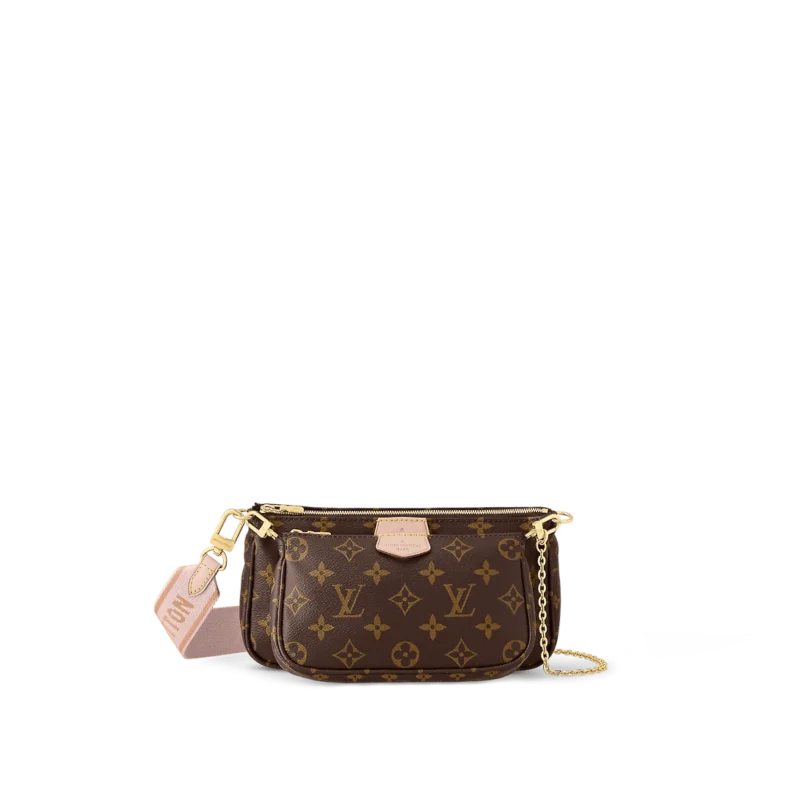
Compare the Félicie Pochette M82610 listing with a rounded or zip-top shape such as the Speedy Bandoulière 20 M47136. The Félicie listing describes a press-stud closure and a removable chain. Use the gallery to see how far the flap moves and what happens at the top corner when you carry it by hand. On the Speedy, look at the line the pull would travel and where the handles sit relative to that line. A bag's ordinary standing carry can feel equally straightforward in both styles, while their seated opening paths differ.
Think about the difference between opening a bag far enough for a phone and opening it wide enough to see the bottom. Your most frequent reach may need only a small motion. When a product has an interior pocket, look for where the zipper or top edge sits once a phone or glasses case is next to it. A photo of an empty bag will show the relationship of the pieces. At home, a clean mock-up with your actual items can show whether the smaller motion leaves enough room for your hand.
Decide where the strap goes when you sit down
A long strap can help keep your hands free when you arrive. Once seated, decide whether it remains on your body or is placed close to the bag. Try both arrangements if they are appropriate for your seat and the venue. A strap kept on the body can hold the bag in a repeatable place when you stand. It can also pull the bag toward one side of your lap or cross the item you are trying to reach. A strap lowered beside the bag may leave the opening clear but needs a tidy place inside your own space.
Look for the strap attachment in the side view. A narrow end may settle down one side of the bag. A rigid connector might make the strap stand out until you arrange it. A chain can gather into a short length and may move when you shift. A top handle stays with the bag and can be easy to find quickly, though it can also overlap the closure in some positions. None of these details determines the answer on its own. The useful question is whether you can place the strap once and reach the items you need without arranging it again.
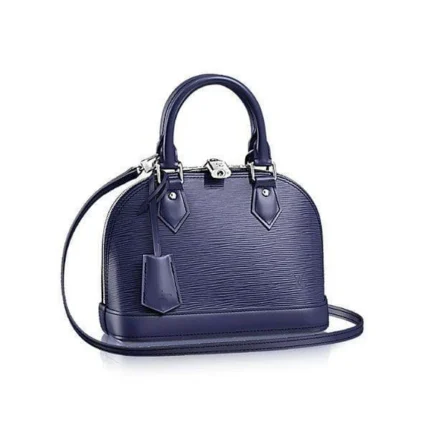
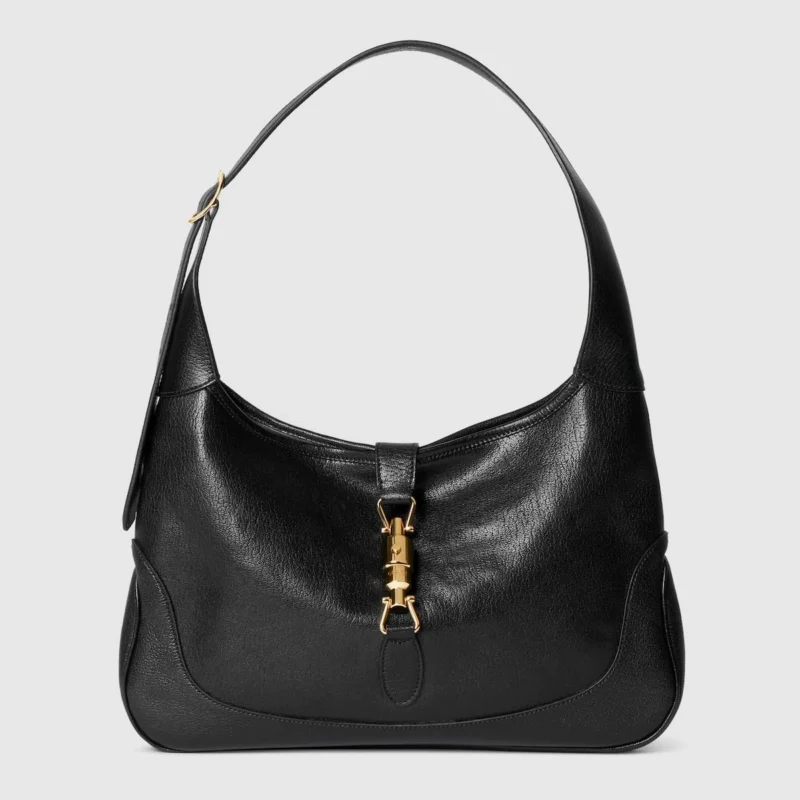
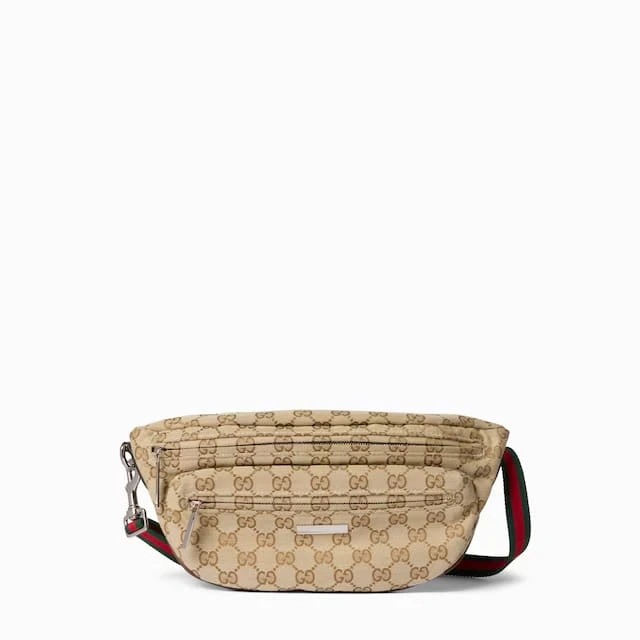
The Gucci Tag small crossbody gives you a compact body to compare with the more structured profile of the Alma BB M40855. In each gallery, trace the strap from the place it would leave your shoulder down to where it meets the body. Then look at how you would lift the bag from a seated position. If there is more than one way to carry it, consider which arrangement you would actually choose while wearing your evening clothes.
Practice the quiet reach before the lights go down
Put the bag where you would normally have it once seated. Close it in the way you would during a performance. Then reach for your glasses or tissue without looking directly into the bag. Open only as far as needed and put the object back. If you want, dim your light a little while you practice, leaving enough light to handle everything comfortably. The task is to make a familiar action smaller and easier. A single item you can find by touch may deserve a dedicated position near the top.
Use items with different shapes in neighboring pockets. A fabric sleeve, a firm case and a flat card wallet are easy to tell apart by touch. A phone and a flat wallet can feel similar when you reach into a crowded pocket. Move one to another place and try again. If you need a case that opens, ask whether you will have a clear place to hold it after you take it out. The smallest external bag may need more room during use if every object has to come out before you can reach the one you want.
Now practice the reverse. Put your glasses away, bring the strap or handle into a position you can hold and make the bag ready to stand. A secure closure matters most in the configuration you can use easily. With your own bag, listen to the sound of that closure and the way hardware comes together when you set it down. For a product you are shopping for, a gallery cannot reliably give you the sound or feel. It can show how many parts have to move and where the hands go while they move.
Plan where the bag sits during the different parts of the visit
The queue, seat and lobby can each suggest a different position. In the queue, a crossbody or shoulder carry can leave one hand free. At the seat, a bag may be easiest to manage upright on your lap or in another position permitted by the venue. In the lobby, you may want to keep it close while you carry a drink or program. Consider what changes in the order you reach for things. A wallet that makes sense at the very bottom during the performance may be more useful near the top before the interval begins.
Think of a placement you can manage when another person needs to pass. Practice lifting the bag and keeping it gathered as you stand or shift to make room. Ask whether the bag would stand clear of other people and whether a strap would hang down when you change position. Follow the venue's instructions and keep aisles and routes clear. When storage is available and allowed, plan which essentials stay with you and how you will carry those pieces. A place that works for the bag itself may still leave you needing to reach a phone or ticket.
If you routinely wear a long coat, try gathering the coat, bag and program in the order you would when leaving. A short handle may be easy to pick up after you put on the coat. A crossbody strap may be easier if it is already in place and the bag can be moved with you. You might discover that one small object is easier to keep in a coat pocket for the last part of the visit. The bag choice should simplify your movements instead of requiring an ideal seat, perfect light or a free hand at every point.
Compare a matinee, a formal evening and a stop afterward
For a short matinee, set up the bag for a ticket on arrival and glasses once seated. A compact crossbody can be a sensible place to start browsing if you want the strap to stay on your body. Review the crossbody collection and check the actual dimensions for the venue and your packed essentials. Put your items in the mock layout and confirm that the phone can come out without bringing the glasses case with it.
For a more formal evening, think about where the bag sits with a dress or tailored outfit and whether you can hold it comfortably with a coat. A small shoulder or hand carry may appeal if the closure is easy to operate in your lap. Compare two configurations on the same product page when the bag offers them. A removable strap could help if you prefer to hold the bag once inside. Plan where it would stay during the rest of the evening if you remove it, or choose one carry arrangement from the start.
For a visit followed by dinner or another stop, add the items you will actually use between venues. Take the bag off your body at the chair, pick it up again, and retrieve a payment card once more. Think about whether you want the bag to carry a program afterward and how the paper will sit. A program is easy to hold on the way in and can become the piece you have to manage while putting on a coat. If it takes over the bag's opening, consider whether to keep it separate or choose a shape with a useful flat area.
Make the last comparison with your seat routine in mind
If you regularly attend with a companion, rehearse the handoff at the point where you expect it to happen. One person may hold both tickets at the door, and the other may carry a program or a coat. Agree which person will keep the ticket after it is scanned and where it will go. This makes the first reach easier to plan and gives you a straightforward way to retrieve the ticket if the venue asks to see it again. For an assigned seat, placing a printed ticket in the same pocket after you sit can also make the seat number easy to find without searching through the bag.
Write down the packed items, the closure movement and where the strap goes. Give each product under consideration one line describing what you can see on the listing and one line for the measurement or view you still need. If the gallery omits the inside opening or the dimensions are unclear, contact customer support with the product link and a question about that feature. Compare the selected option, since materials or finishes may be shown differently across a gallery.
Before the visit, move through your own sequence once with the final packing layout. Hold the phone or ticket in the spot you can reach on arrival. Close the bag and check that the strap can sit neatly when you take a seat. Place the case or other item you need during the performance somewhere you can reach from your own space. Give the bag a quick close and lift, then leave the items in their intended positions. A small rehearsal tells you more than adding another accessory to an already busy arrangement.
A theater handbag earns its place through a few simple motions. It lets you find the ticket, reach for the one thing you need while seated and leave with everything gathered. A bag that suits your venue, your coat and your preferred way of carrying makes those actions easier. Use the gallery to study the shape and closure, and let the movements you actually make decide between the candidates.
Compare these products