
Blog
Integrity Bags Handbag Shopping Glossary: Understand the Details Before You Buy

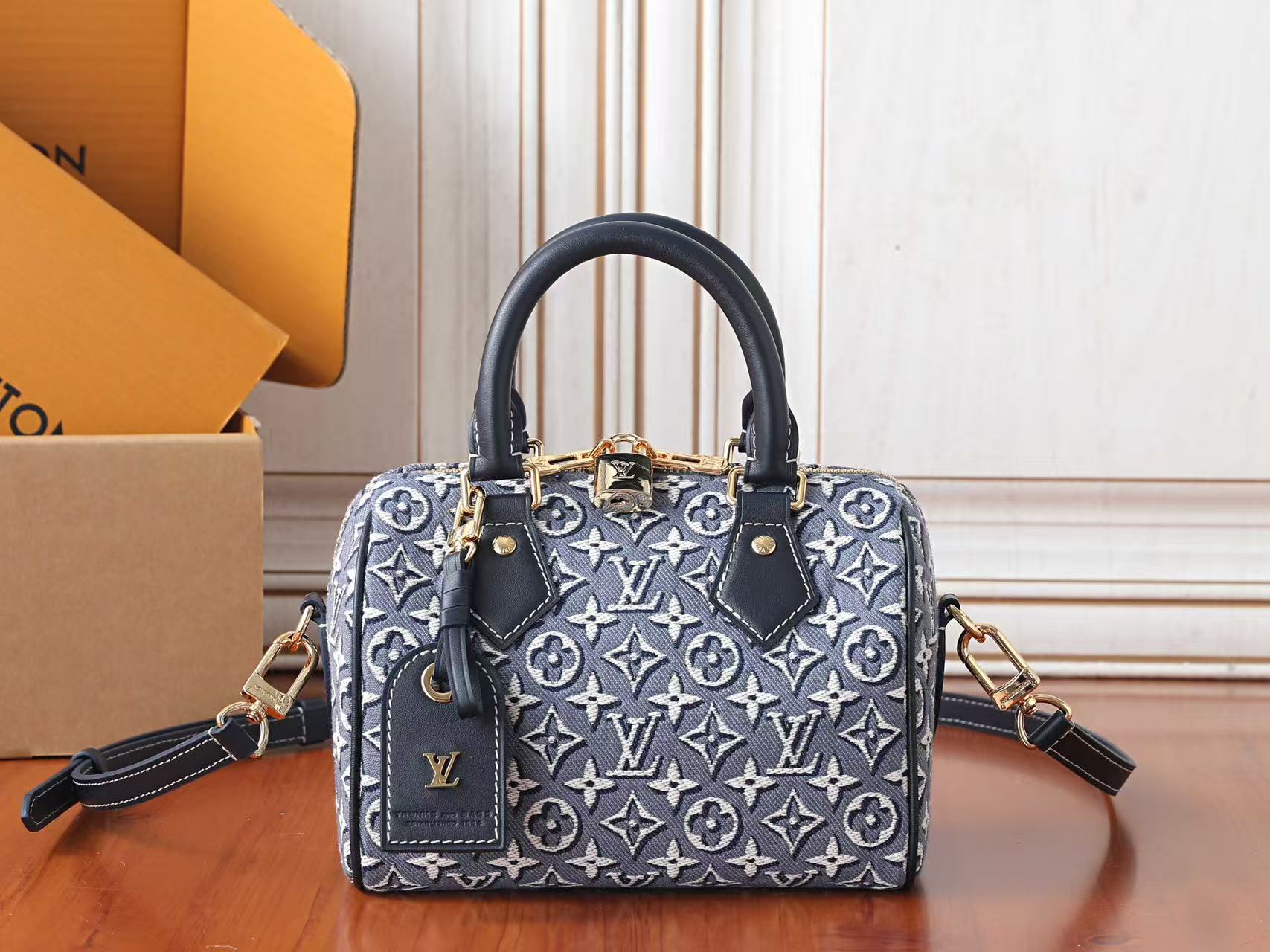
Shopping for a handbag becomes easier when the language in product listings makes sense. A photograph may show a beautiful silhouette, but it cannot explain everything about the bag’s usable space, strap drop, closure or care requirements. The Integrity Bags shopping glossary turns these terms into practical questions you can use when comparing styles. It is educational information from the Integrity Bags online retailer at integritybags.co, not a guarantee of any product’s construction or third-party designer authorization.
Silhouette: the outline that guides first impressions
A silhouette is the bag’s overall shape. A rectangular tote, rounded hobo, compact crossbody and structured top-handle bag may carry similar objects yet behave very differently. Shape affects whether a bag can stand upright, how it rests against the body and whether its contents remain easy to reach. Soft designs may drape around items, whereas structured styles preserve a more fixed profile.
When browsing the Integrity Bags shop, start by comparing shapes rather than familiar model names. Ask what the design will do on an ordinary workday. Will its base sit neatly on a desk? Can you open the top without using both hands? Is its body narrow enough for crowded transport? The best silhouette is the one that solves your actual carrying problem.
Gussets and base depth: the hidden dimension
The gusset is a side or bottom panel that creates depth. In straight-on product photography, this detail can disappear completely. Two bags of identical width and height may have very different capacities if one has a broad base and the other is nearly flat. A deep bag is not always more convenient: it can become bulky, and small items can get lost in a large compartment.
Compare depth alongside opening width and internal dividers. A bag with a narrow mouth may be harder to pack even when the exterior measurements are generous. Our guide to measuring a handbag online explains how to use an existing bag as a reference rather than guessing from a model photograph.
Strap drop and full strap length are not the same
Strap drop usually measures the vertical space between a hanging handle’s high point and the top of the bag. Full strap length follows the strap itself, including sections that may run diagonally across the body. These measurements cannot be substituted for one another. A fixed shoulder handle may clear a light summer top but become uncomfortable over a thick jacket.
Try a strap you already find comfortable and record the fit. If a product is described as adjustable, check the range of adjustment and whether a second strap is actually included. A useful listing should help you understand where the bag lands against your body. If that information is missing, ask a clear question before buying instead of assuming every design fits every person.
Closures: the practical difference between covered and closed
Zippers, magnetic snaps, flaps, turn locks and drawstrings operate differently. A zipper can contain small belongings more fully than an open top, but a narrow zip opening may restrict a larger object. A magnetic snap can be quick, yet the side gaps may remain exposed. A decorative turn lock can add an extra step every time you reach for a phone.
Think about how often you access the bag and the conditions where you carry it. A bag that works for a short dinner might be less convenient during a busy commute. Our handbag closures guide
Lining, pockets and dividers
The lining covers the interior and can affect both organization and maintenance. An open slip pocket may hold a phone within easy reach, whereas a zipper pocket gives small objects another closed compartment. A central divider can help separate papers from other belongings but may reduce the space available for a bulky item. Some bags have detachable organizers, while others have permanently fixed structures.
More pockets are not always better. Prepare a list of what you use throughout a day and imagine retrieving those items in a hurry. A clean, well-shaped compartment may be more practical than several deep, narrow pockets. When a listing lacks interior photographs, do not assume that a bag with an attractive exterior also has the exact layout you need.
Hardware includes more than decorative metal
Hardware refers to functional and decorative parts such as rings, clasps, buckles, zipper sliders, chains and handle attachments. A shiny finish in photographs cannot establish the precise metal composition, durability or manufacturing origin. It does, however, help you evaluate placement, apparent proportions and whether a component could press against your clothing or make the bag heavy.
Look for clear views of strap attachment points and closure alignment. A heavy chain may look refined but feel different from a wide fabric strap during a long walk. If a particular material composition matters to you, request product-specific confirmation. It is better to acknowledge an unknown specification than to infer it from a polished product image.
Edge finishing and corner construction
Bag edges may be turned, folded, bound or coated with an edge finish. Painted edges can create a clean visual line, although material flexibility and wear patterns influence how they perform. Bottom corners often experience repeated contact with tables, floors and vehicle seats. Handle edges bend repeatedly and may encounter different stresses from those at the base.
Look beyond a perfect front-facing photograph. Inspect corners, handle ends and seams where possible. Small scuffs are different from peeling edge coating or structural separation, and they should not receive the same treatment. Avoid attempting an aggressive home repair without identifying the underlying material. Cosmetic improvements should never disguise a loose load-bearing seam.
Materials and finishes: ask what the description really establishes
Words such as textured, smooth, coated, canvas-like or suede-like describe appearance or treatment, but not always the actual fiber composition. Even products in the same broad material category may use different finishes and care instructions. A light coating can change how a surface reacts to water, dye transfer or cleaning products. Strong household solvents are not a safe universal solution.
Our materials comparison guide
Variants and the selected product
A product may offer multiple colors, sizes or accessory combinations. Make sure the selected option is the one you intend to purchase; photographs displayed elsewhere on the page may illustrate another variant. The presence of an extra strap or decorative accessory in a photograph does not guarantee its inclusion in every choice. Review the description attached to the selection whenever available.
This detail becomes especially important in large online catalogs, where several visually similar products appear close together. Before checkout, note the exact product title, selected variation, measurements and any questions you still need answered. A few seconds of checking can prevent avoidable misunderstandings later.
Build a comparison worksheet using this vocabulary
Use five columns: dimensions, carrying method, closure, interior layout and material care. Compare no more than three shortlisted bags at a time. Record only details that are supported by the current product listing, and label missing details as questions. If one bag has excellent dimensions but an uncomfortable strap, that trade-off may matter more than its color or model name.
The worksheet should reflect your own routine. A person carrying a laptop has different priorities from someone who needs only a phone and wallet. Scoring bags with a universal number can create false precision; writing down practical observations gives you a more useful decision.
Frequently asked questions
Does a larger exterior always mean more usable storage?
No. Opening shape, dividers, lining and gusset construction affect capacity.
Is an adjustable strap automatically suitable for everyone?
No. Fit depends on the actual adjustment range, bag shape, body proportions and clothing.
Can hardware appearance prove a bag’s authenticity?
No. Photographs alone do not verify provenance, licensing or official authorization.
Should I choose a bag with the most pockets?
Not necessarily. Choose an interior arrangement that makes your own belongings easy to find.
The Integrity Bags approach to informed shopping
Understanding handbag terms allows you to ask better questions, compare products more fairly and select a style that suits your life. Begin with silhouette, examine measurements and straps, and then look at closures, interior layout and material care. If a listing lacks an important detail, contact the retailer rather than filling the gap with assumptions.
Integrity Bags refers to the retailer operating integritybags.co. Shoppers should evaluate any third-party brand references and authenticity claims separately at the product level. Useful information and realistic expectations are more valuable than an impressive-sounding description. The glossary is a tool for making that evaluation clearer.