
Blog
How to Store and Care for a Structured Leather Bag: 9 Everyday Habits That Help

Structured leather bags can hold their shape beautifully, but daily habits matter. Overfilling, poor storage, moisture, heat and friction can gradually affect the silhouette, corners, handles and surface. The good news is that you do not need a complicated routine. A few consistent habits can make a noticeable difference.
1. Do not overfill a structured handbag
One of the fastest ways to distort a structured bag is to repeatedly pack it beyond its natural capacity. Overfilling can place stress on side panels, handles, closures and stitching. It may also cause the base to bow or the opening to sit differently over time.
A useful approach is to leave enough room for items to move slightly instead of pressing against the sides. If you constantly need to force the closure, the bag is probably too small for that particular day.
2. Support the bag from the inside when storing it
When a structured bag is empty for a long period, its panels can settle inward. Lightly filling the interior helps the bag maintain its intended shape. Use clean, soft and colorfast material such as acid-free tissue paper or a soft insert. Avoid newspaper because ink can transfer, and avoid overstuffing because that creates the opposite problem.
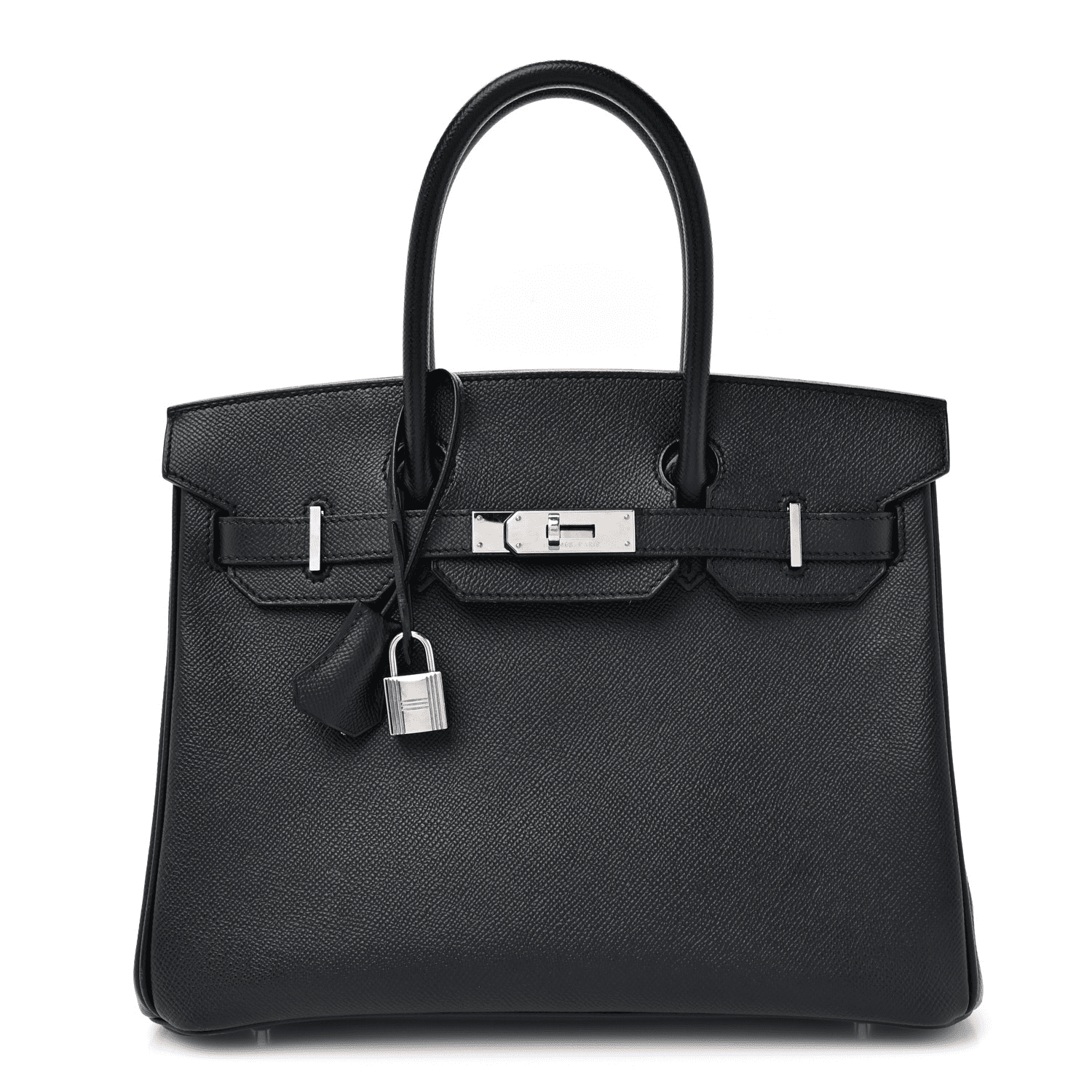
The Hermès Epsom Birkin 30 Black on our site is listed at 30 × 24 × 15 cm, a good example of a structured silhouette where maintaining the body shape is part of the overall look.
3. Store it upright with breathing room
Do not squeeze a structured bag tightly between other items. Constant side pressure can affect the shape, especially at the gussets and corners. Give it enough space to stand naturally, and avoid stacking heavy objects on top of it.
If the bag comes with a dust bag, use it. A breathable cover helps reduce dust and light exposure without trapping the bag inside a non-breathable plastic container.
4. Keep leather away from prolonged heat and direct sunlight
Heat can dry leather, while strong sunlight can contribute to fading or uneven color over time. Avoid storing bags beside radiators, heaters, sunny windows or in a hot car. A cool, dry closet with normal airflow is usually a better environment.
5. Treat moisture quickly, but do not panic-clean
If a leather bag gets a few drops of water on it, gently blot the moisture with a clean, soft cloth rather than rubbing. Let the bag dry naturally at room temperature. Avoid hair dryers and direct heat because rapid drying can affect the leather surface.
For deeper cleaning, use a method appropriate to the specific leather and finish. When in doubt, test any product on an inconspicuous area first or consult a professional leather-care service.
6. Protect corners and handles during daily use
Corners and handles often show wear first because they experience repeated contact. Try not to place a handbag directly on rough concrete, restaurant floors or abrasive surfaces. At home, set it on a clean shelf or smooth surface instead of tossing it against other objects.
Hands can also transfer oils, lotion and makeup to handles. If you have just applied hand cream, give it time to absorb before carrying a light-colored or delicate leather bag.
7. Be careful with color transfer
Dark denim and some strongly dyed clothing can transfer color through friction, especially onto lighter bags. The risk is higher when the bag repeatedly rubs against the same area while walking. If you are wearing new dark denim, consider a darker bag or carry the bag in a way that reduces contact.
8. Rotate bags instead of using one every single day
Rotation is one of the simplest ways to reduce cumulative wear. Giving a bag a break reduces constant stress on the same handles, straps and corners. It also gives you time to empty receipts, remove unnecessary weight and check the interior for anything that could leak or stain.
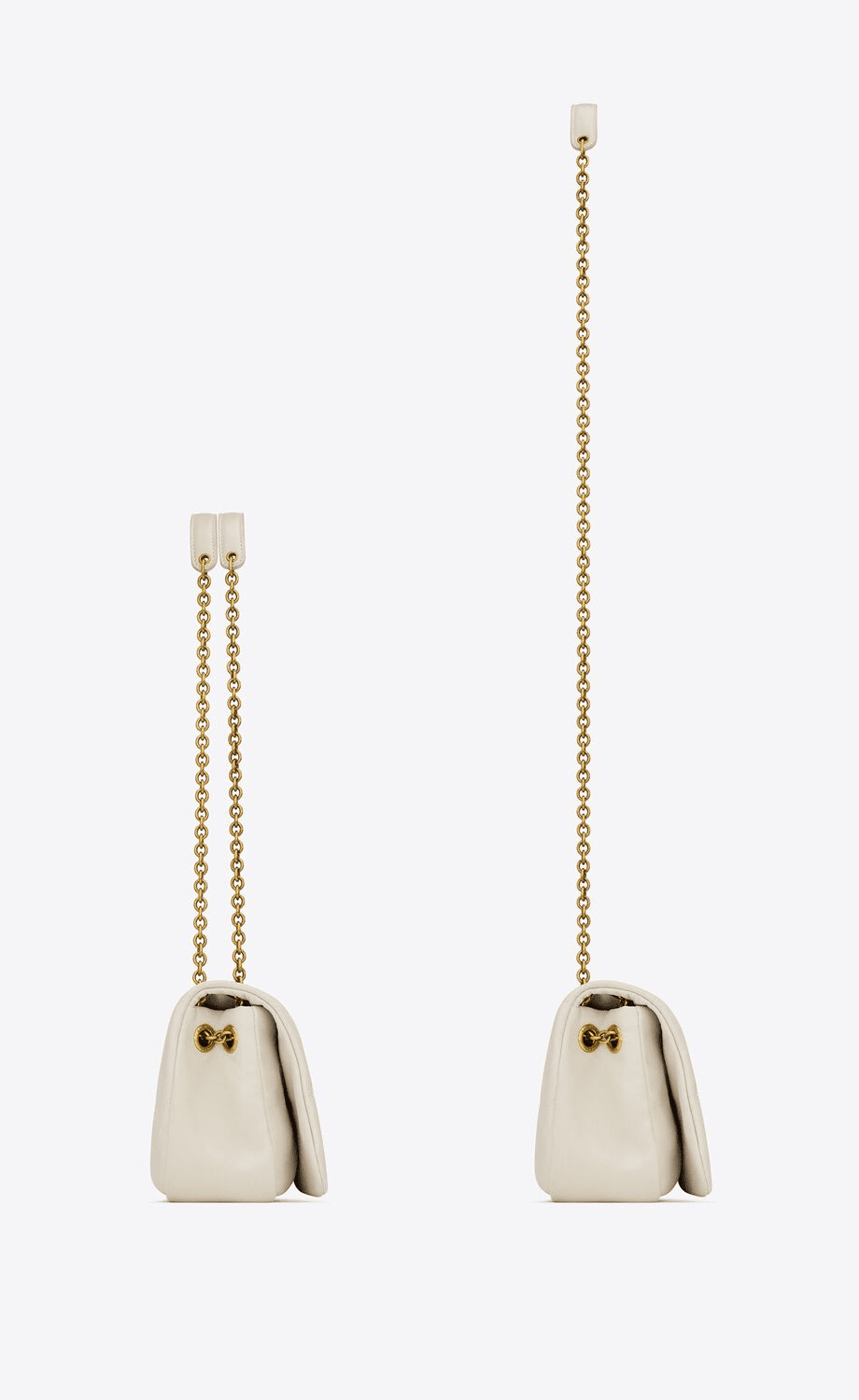
A smaller shoulder or crossbody style can be useful on lighter days. For example, the Jamie 4.3 Mini is listed at 20 × 12 × 7 cm and is designed for shoulder or crossbody carry, making it a different type of daily option from a larger structured bag.
9. Empty and inspect the bag before putting it away
Before long-term storage, remove everything from the interior. Check pockets for pens, receipts, cosmetics and food items. Wipe loose dust from the lining with a suitable soft cloth or brush, then support the bag lightly and place it in its dust cover.
This two-minute habit prevents forgotten items from creating stains, odor or unnecessary pressure inside the bag.
A simple weekly handbag-care routine
| Task | Why it helps |
|---|---|
| Remove receipts and unnecessary items | Reduces weight and clutter |
| Check corners and handles | Helps you notice wear early |
| Wipe away loose surface dust | Prevents buildup |
| Reshape lightly before storage | Supports the silhouette |
Frequently asked questions
Should I store a leather handbag in a box?
A box can protect it from dust, but the bag should not be crushed or sealed in a damp environment. A breathable dust bag on a shelf with enough room is often simpler for regular storage.
Can I hang a handbag by its handles?
For long-term storage, it is generally better to support the bag from its base rather than leave its full weight pulling on the handles or strap.
How often should I clean a leather bag?
There is no fixed schedule for every leather. Regularly remove loose dust and address spills quickly, but avoid unnecessary heavy cleaning. Material-specific care is more important than frequent cleaning.
Build a practical bag rotation
If you are still deciding which size and carry style fits your routine, start with our everyday handbag buying guide. Then explore more styles and sizes on the Integrity Bags homepage. If you are comparing structured and compact options, view the Birkin 30 example and the Jamie 4.3 Mini referenced above.