
Blog
How to Read Handbag Product Photos Before Buying Online: A 12-Point Checklist

A handbag can look convincing in a single polished product photograph and still leave important questions unanswered. How wide is the opening? Does the strap attach securely? Can you see the base, lining and interior pockets? Is the color consistent across different lighting conditions? A useful product page should help you answer these questions before you place an order.
This guide from Integrity Bags teaches a repeatable way to evaluate handbag photographs without pretending that images alone can prove material composition, authenticity or durability. You can apply the method to a tote, shoulder bag, crossbody or structured top-handle design. The goal is to distinguish what a picture actually shows from what you still need to verify in the product specifications.
Why a photograph is evidence, not a complete specification
Product images are valuable because they show silhouette, proportions, visible hardware and styling possibilities. They are less reliable for hidden construction, exact capacity, weight, the feel of a material or how a bag will behave after months of use. Lighting, camera distance, perspective, compression and editing can change how a product appears. A carefully staged photo is not necessarily misleading, but it is designed to show the bag at its most attractive.
A strong shopping decision uses three sources together: photographs for visible details, written specifications for measurable facts and the seller’s current policies for the transaction itself. If one source is missing, do not fill the gap with assumptions. Instead, write down the specific information you need and request it before ordering.
The 12-photo inspection method
Use the following sequence whenever you compare handbag listings. You do not need twelve separate photographs; one clear image may answer several questions. The important point is to examine twelve different features instead of making the entire decision from the front-facing hero image.
1. Start with a straight-on front view
Look at the bag’s overall silhouette and where the visual weight sits. Is it tall and narrow, wide and low, boxy or softly rounded? Notice whether the opening appears narrower than the base and whether exterior pockets protrude. A front view can help you decide whether the shape fits your wardrobe, but it cannot establish the bag’s depth or how much it holds.
Try to compare the image with another front-facing photograph taken at a different distance. If the shape seems to change dramatically, perspective or styling may be involved. A consistent silhouette across views is more informative than a single dramatic close-up. Do not infer the exact measurements from the photo alone.
2. Request a true side profile
The side profile reveals depth, gusset construction and how much a bag may project from the body. A tote that appears slim from the front might have a wide base; a compact crossbody could be thicker than expected. Examine whether the side panel is structured or folded and whether a zipper or flap changes the usable opening.
Side views are particularly important if you commute on crowded transport, place a bag beside a dining chair or need to store it on a narrow shelf. If a listing contains only front images, ask for a side photograph with the bag resting naturally. Do not treat a side view with the bag squeezed flat as a reliable representation of its normal packed depth.
3. Look underneath at the base and corners
The bottom of a handbag affects stability, wear patterns and practical capacity. A broad, flat base may help some bags stand upright, while a rounded or flexible base may behave differently. Check whether the product photos show base seams, corner shapes and any feet or protective details. These are visual features, not guarantees against scuffing.
A bag shown only from above or in a model’s hand can hide the base entirely. If you care about placing the bag on a desk, ask how the bottom is constructed. Even bags with metal feet can develop corner wear when they rub against nearby surfaces. The photo helps identify the design; careful use still matters.
4. Inspect the top opening while it is actually open
An attractive closed bag may have a surprisingly narrow access point. Look for a photograph showing the opening unobstructed. Can you see how far the zipper extends? Does a flap fold back comfortably? Is the mouth restricted by a rigid frame or narrow gussets? These details affect how easily you can retrieve a phone, glasses case or wallet.
Do not assume a bag is easy to use because the exterior dimensions seem generous. A wide body with a small opening may be inconvenient for bulky objects. For more detail on practical access, read our comparison of handbag closures, then verify the exact closure shown on the item you are considering.
5. Study the lining and pocket arrangement
An interior photograph should ideally show the main compartment, dividers, zipped pockets and smaller slip pockets. Ask whether the interior is one open space or divided into several sections. Consider what you actually carry: a single large compartment may work well with an organizer, while built-in dividers can keep documents and small objects separate.
Do not assume every color or size variation has the same interior layout. Some listings use shared photographs across variants. If the lining is not shown, ask for a current image of the selected version. A photograph can show the presence of pockets but may not reveal their depth, seam reinforcement or whether your particular phone fits inside.
6. Compare handles, straps and attachment points
Look for close-ups of where handles and straps meet the body. Visible stitching, rings and attachment shapes can help you understand how the bag is intended to be carried. If a crossbody strap is pictured, confirm whether it is included, detachable or adjustable in the selected variation. A photo of a model wearing the bag does not guarantee that the strap comes with the purchase.
Pay attention to where the bag lands against the body and whether the handle clears a sleeve or coat. Because bodies and clothing differ, model photographs are only a rough reference. Our strap-drop measurement guide
7. Look for hardware close-ups without overinterpreting them
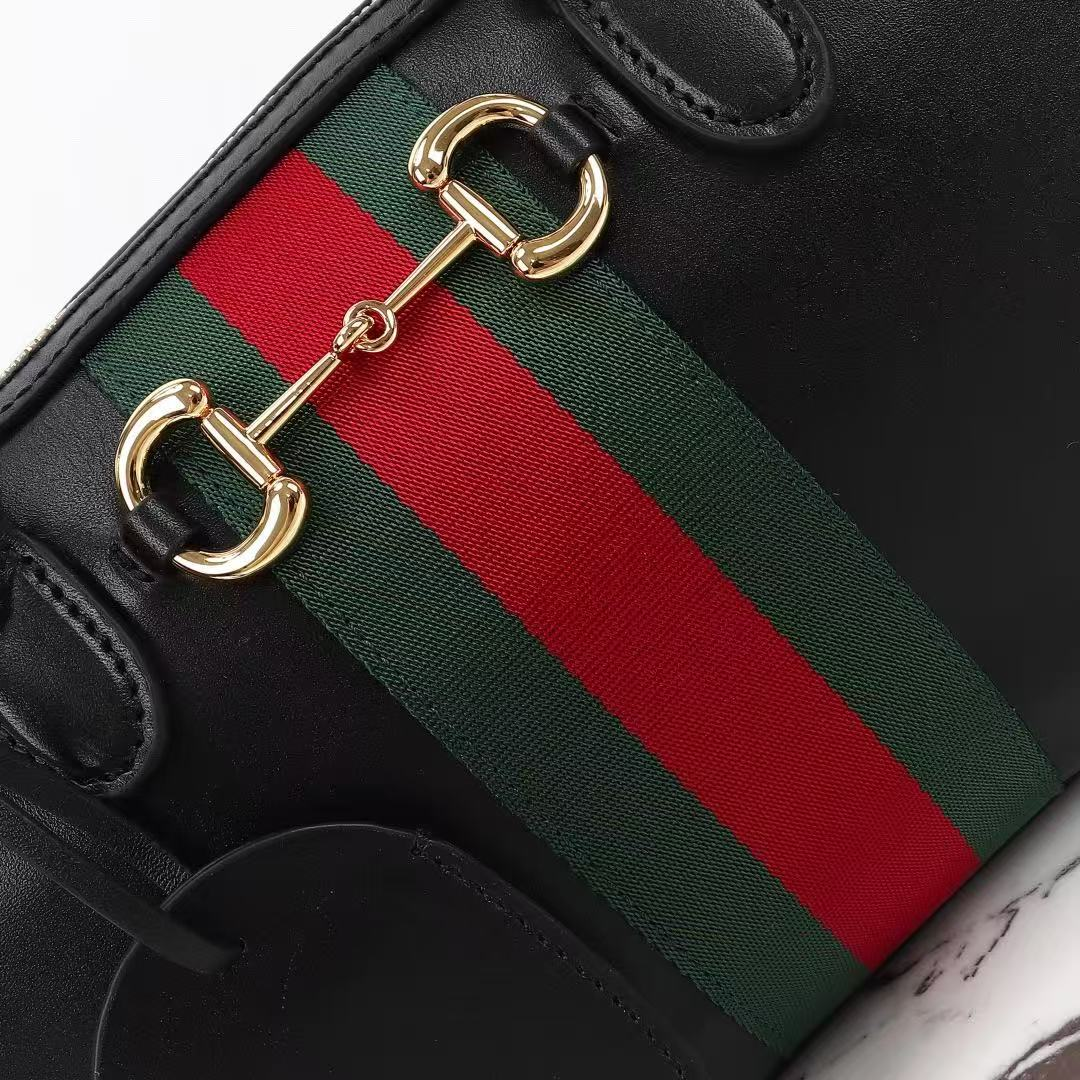
Zippers, clasps, buckles, chains and decorative fittings contribute to both appearance and use. A clear close-up can reveal their shape, placement and visible finish. It cannot reliably prove the metal composition, corrosion resistance or long-term performance. A glossy reflection may come from lighting, not from superior construction.
If a clasp is central to how the bag opens, look for a photograph showing it in the open position as well as closed. If the hardware looks sharp or protrudes near delicate clothing, consider whether it could catch fabric. For bags with multiple carrying options, check whether the rings and straps shown belong to the same product variation.
8. Check stitching and panel alignment
Photographs taken at a reasonable resolution can help you inspect visible seams, edge finishing and panel alignment. Compare the left and right sides of a structured bag: do the panels meet where expected, and do the handles appear evenly placed? Some intentional asymmetry is part of a design, so do not treat every difference as a flaw.
Avoid making sweeping quality judgments from a blurry thumbnail. Camera compression can make a smooth edge look rough, while aggressive retouching can hide detail. If a seam matters to your decision, request a close-up taken in ordinary lighting. Our handbag quality-detail checklist
9. Compare color in more than one lighting condition
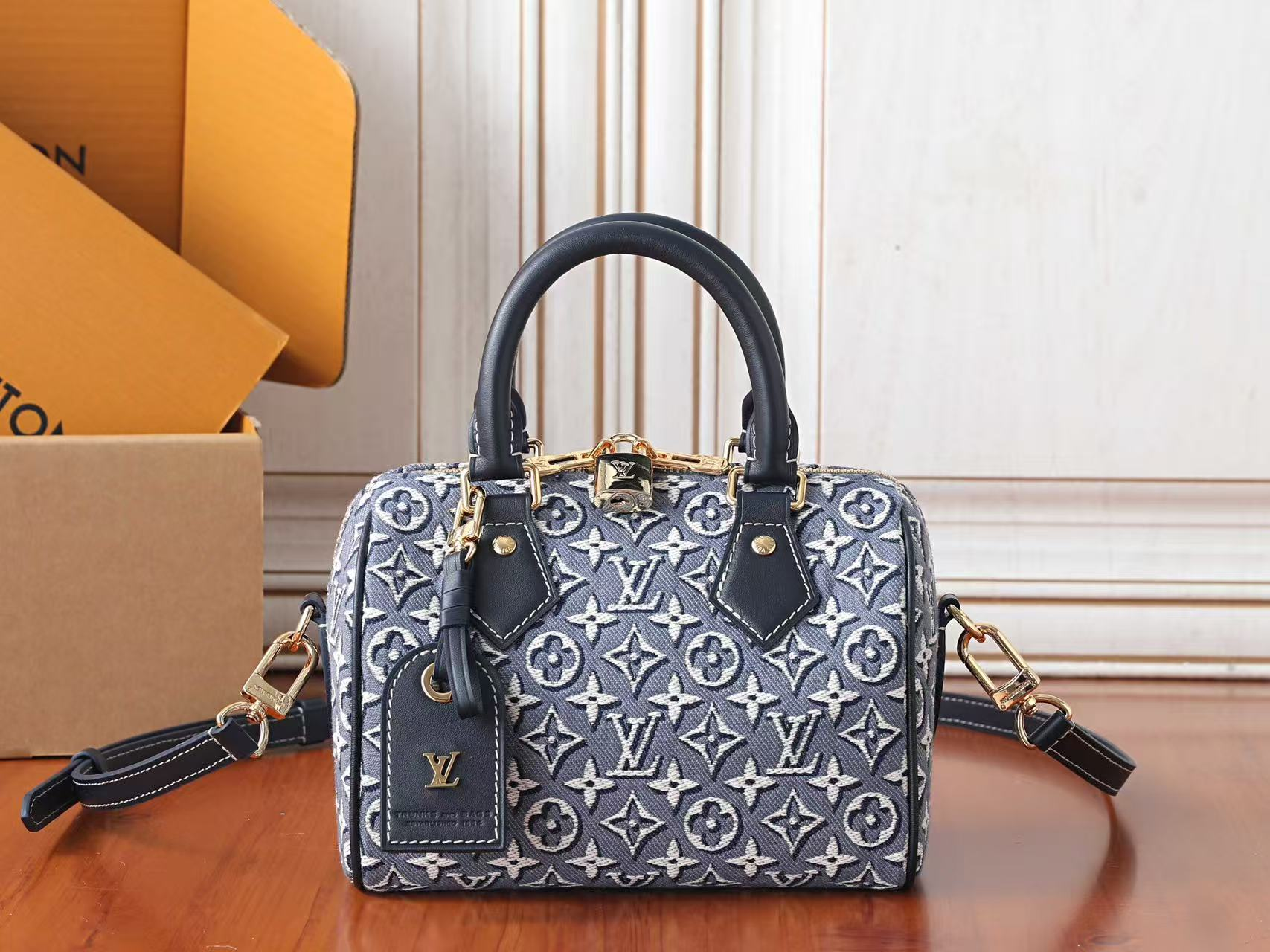
Colors can shift under warm indoor lighting, daylight, flash and different display settings. A cream bag might appear almost white in one photo and warmer in another. A black textured finish may look flat in a studio image but reveal more variation in close-ups. These differences do not automatically mean the seller is showing different products.
Look for several views with consistent identifying features and read the written color name as a starting point, not a guarantee of perfect screen matching. If matching an outfit matters, ask for a neutral-light photograph of the actual variation. Also remember that pale finishes may require extra care around dark or dye-prone clothing.
10. Use model photos for proportion, not exact measurements
A photograph of a person carrying a bag is useful for imagining its scale and styling. It is not a substitute for dimensions. Camera perspective, the model’s height, the length of the strap and how much the bag is filled can all change its apparent size. An oversized bag can look compact when held close to the camera, and a mini bag can appear larger in a tightly cropped image.
Use model photos to evaluate whether the bag seems appropriate for your preferred outfits, then return to measurements for fit. Our step-by-step handbag measurement guide
11. Verify that every photograph matches the chosen variation
Online stores sometimes group several colors, sizes or strap configurations on one product page. A gallery may include photographs of more than one variation. Before ordering, select the intended option and check whether the visible images update. Look for changes in lining color, hardware finish, handles and accessories as well as the main exterior color.
If the selected variation and photographs appear inconsistent, ask the seller to clarify which images represent the item that will ship. Save the relevant listing information for your own reference. Do not assume that a photograph of an optional accessory means it is automatically included in every purchase.
12. Recognize what photographs cannot establish
A close-up of grain or texture does not prove whether a material is genuine leather, a coated fabric or a synthetic alternative. A visible logo does not prove that a product is officially authorized or authentic. Attractive stitching does not establish load capacity, and a professional studio image does not guarantee durability. Those claims require reliable documentation or product-specific evidence beyond photographs.
Read the description carefully and distinguish factual specifications from promotional language. If a listing makes an authenticity, material or authorization claim that matters to you, seek appropriate verification rather than treating visual similarity as proof. A trustworthy buying decision is based on clear information, not on the assumption that an image tells the whole story.
How to compare two handbag listings fairly
Open both product pages and compare the same features in the same order: front shape, side depth, base, opening, interior, straps, hardware and selected variation. Avoid judging one bag from a polished hero image and the other from an unflattering detail shot. If one seller provides more informative photographs, note that as a difference in the quality of information available, not automatic proof of product superiority.
Make a simple table for yourself with three columns: confirmed from photos, confirmed from specifications and still unknown. For example, you may confirm that a bag has a visible zip opening from photos, confirm the exterior dimensions from the description and leave the exact empty weight as unknown. This method prevents a missing detail from silently becoming an assumed feature.
A two-minute decision exercise before checkout
First, name the situation in which you will use the bag most: commuting, errands, dinner, travel or another routine. Second, list your three bulkiest essentials and check whether the opening and dimensions plausibly accommodate them. Third, inspect at least one interior view and one side or base view. Fourth, verify the selected color and any included strap or accessory. Finally, review the store’s current shipping and return terms, especially if the bag is needed for a specific date.
If an essential detail is missing, do not rush because a product photograph is attractive. Ask one precise question such as “What is the interior opening width of this version?” or “Is the long strap included with the selected color?” A specific question is more likely to produce a useful answer than a general request for more information.
A note about image editing and misleading visual cues
Many product photographs are adjusted for brightness, background cleanliness and consistency. Editing by itself is not proof of deception. The problem arises when a buyer assumes a retouched image can verify features that are not visible. Be alert when every angle looks identical, when proportions change between images or when a key area is consistently cropped out. These are reasons to ask questions, not conclusive evidence that a listing is dishonest.
Also be careful with user-generated images. They can offer another perspective, but the pictured bag may be a different size, older version or color variation. Compare identifying details before relying on such images. A well-informed shopper uses all available information while remaining aware of its limits.
Frequently asked questions
How many product photos should a handbag listing have?
There is no magic number. The useful standard is coverage: you should be able to understand the front, side, base, opening, interior and carrying options. A few informative photos can be better than many near-identical images.
Can I tell if a handbag is real leather from a photo?
Not reliably. Texture and grain can be imitated or affected by lighting. Check product-specific material information and seek verification when necessary.
What if the seller does not show the inside?
Ask for a clear interior photograph of the selected version, especially if compartments and pockets are important to you.
Do model photos show the true size?
They offer visual context but cannot replace measurements. Perspective, styling and the model’s proportions all influence appearance.
Can a visible brand logo prove a handbag is authentic?
No. Logos and visual similarity alone do not establish authenticity or authorization. Verify such claims through reliable evidence.
Final takeaway: ask what each image actually proves
The best way to shop from handbag photographs is to stay curious and specific. A front image shows shape; a side view helps with depth; an open-top photograph reveals access; an interior view helps with organization; and close-ups make construction details easier to inspect. None of them replaces measurements, accurate material descriptions or transparent store policies.
Integrity Bags encourages readers to use a practical checklist rather than choose from appearance alone. Keep your own needs at the center of the decision, compare the actual selected variation and ask for missing information before ordering. The result is a more deliberate choice and a better understanding of the bag you are considering.