
Blog
How to Choose an Everyday Handbag: Size, Carry Style and What Actually Matters

The best everyday handbag is not simply the one that looks best on a shelf. It is the one that fits your routine: what you carry, how long you are out, whether you need both hands free, and how much structure or flexibility you prefer. This guide breaks the decision down into practical questions so you can choose a bag you will actually enjoy using every day.
1. Start with what you actually carry every day
Before comparing styles, empty your current bag and separate what you carry into three groups: essentials, occasional items and “just in case” items. Essentials usually include a phone, cardholder or wallet, keys and a few personal items. If you regularly carry sunglasses, a small cosmetic pouch, a charger or a compact umbrella, those items should influence the size you choose.
A useful rule is to avoid buying a bag that only fits when everything is packed tightly. A little spare room makes daily use easier, reduces pressure on the closure and helps the bag keep its intended shape.
2. Compare dimensions instead of labels like “mini” or “small”
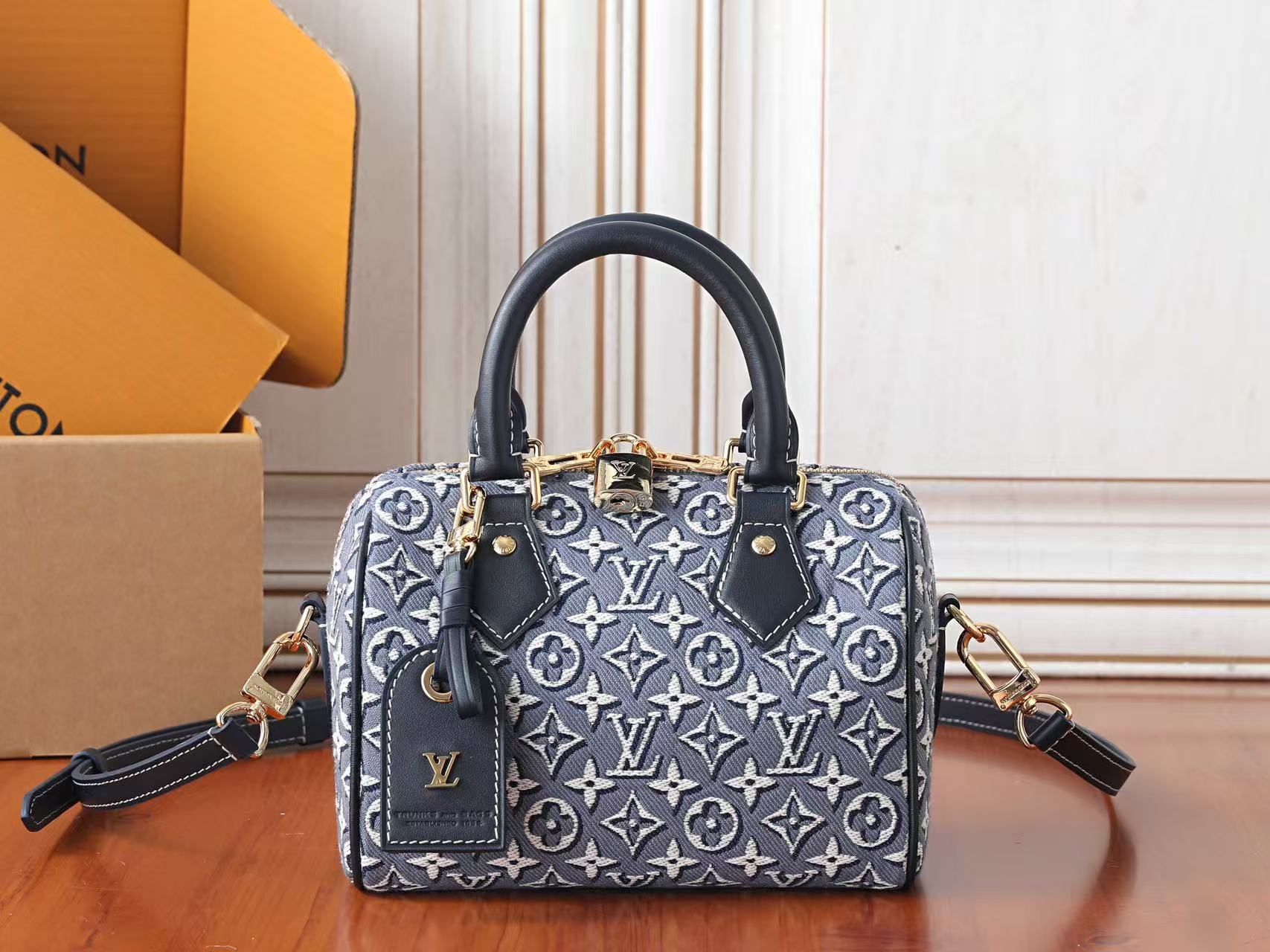
Size names are not standardized. One brand’s mini can be another brand’s small, so dimensions are much more useful than the label. For example, the M2A187 Speedy Bandoulière 20 is listed at 20.5 × 13.5 × 12 cm. Its relatively generous depth is worth noticing because depth can make a compact bag feel more usable than a flat silhouette with similar width.
When comparing two bags, write down the three dimensions and think about the shape of the objects you carry. A phone mostly needs height and width; a sunglasses case or small water bottle needs depth. That simple comparison is often more useful than judging capacity from product photos alone.
3. Choose the carry style around your routine
If you commute, shop, travel or spend a lot of time walking, a shoulder or crossbody option can make the bag easier to live with. If your day is mostly short trips, meetings or dinners, a compact shoulder bag or top-handle silhouette may feel more appropriate.
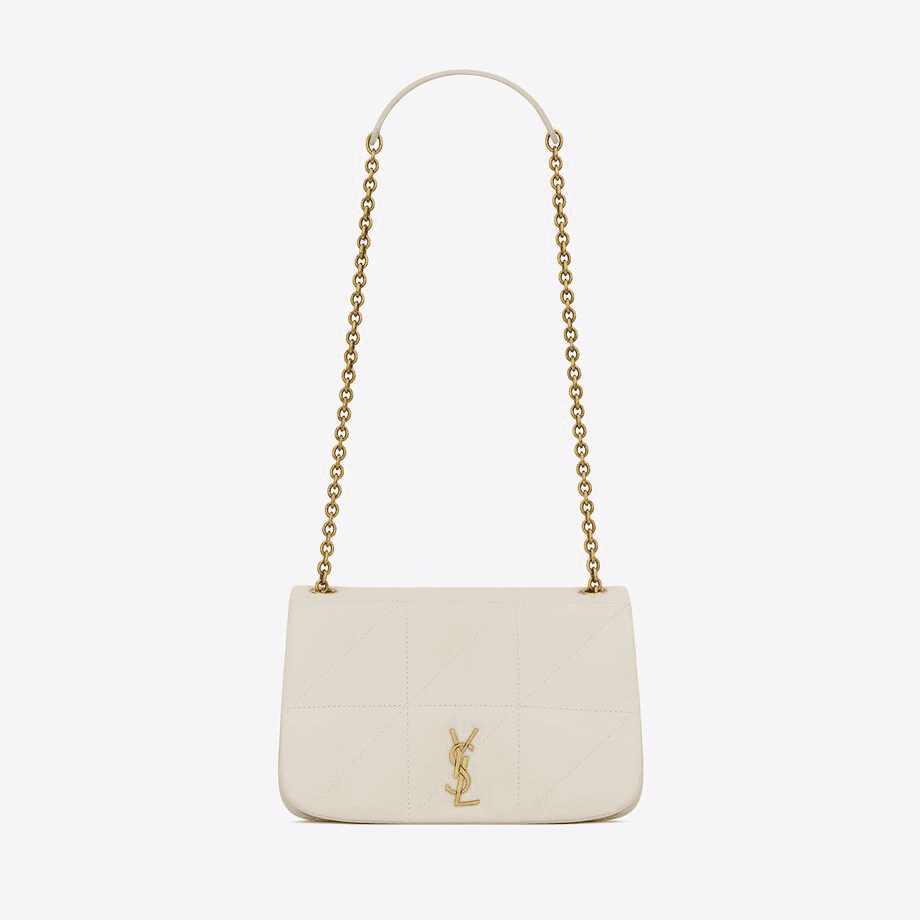
The Saint Laurent Jamie 4.3 Mini, for example, is listed at 20 × 12 × 7 cm and uses a sliding leather-and-chain strap designed for shoulder or crossbody carry. That combination illustrates why strap configuration matters as much as the bag’s dimensions: the same compact bag can suit different parts of the day when the carry length can change.
4. Think about access, not only capacity
A bag can technically hold everything you need and still be frustrating if you have to unpack it every time you reach for your keys. Pay attention to the opening, closure and interior layout. Flat pockets are useful for cards or receipts; a wider main compartment is easier for bulkier items; a secure flap or zip can be useful when commuting.
For daily use, the best layout is usually the one that lets you reach your two or three most frequently used items without moving everything else.
5. Match material to how careful you want to be
Soft leathers can feel comfortable and relaxed, but they may show pressure, rubbing or shape changes more quickly if the bag is overfilled. More structured materials can hold their silhouette better, but corners and edges still need attention. If you want a low-stress everyday bag, think about where you normally place it, what weather you encounter and whether you are comfortable rotating bags rather than using one every day.
6. Do a five-minute “real-life test” before you decide
When evaluating a handbag online, recreate your normal carry list on a table. Measure the largest objects and compare those measurements with the bag dimensions. Then ask:
- Will my phone fit without forcing the closure?
- Do I need space for sunglasses, makeup or a charger?
- Do I prefer one open compartment or separate organization?
- Will I carry it for ten minutes or several hours?
- Do I need both hands free?
- Will the bag still look good if it is only half full?
This simple test is a better predictor of daily satisfaction than choosing by appearance alone.
7. One everyday bag does not have to do everything
Many people are happier with two useful sizes instead of one bag that tries to cover every situation. A compact crossbody or shoulder bag can handle errands and evenings, while a roomier structured or top-handle bag can cover longer days. Rotating also gives materials time to rest and can reduce wear on straps, corners and closures.
Quick comparison: compact vs. roomier everyday bags
| Consideration | Compact bag | Roomier bag |
|---|---|---|
| Best for | Phone, cards, keys, small essentials | Longer days and extra personal items |
| Comfort | Usually lighter | Depends on how much you pack |
| Organization | Simple and minimal | More flexibility for pouches and larger items |
Frequently asked questions
What size handbag is best for everyday use?
There is no universal best size. The right size is the smallest one that comfortably carries your normal essentials with a little spare room. Measure your largest daily items and compare them with the bag’s listed dimensions.
Is a crossbody bag better for daily use?
It is often convenient for commuting, shopping and travel because it keeps both hands free. If you prefer a dressier or more structured look, a shoulder or top-handle design may suit you better.
How do I stop an everyday bag from losing its shape?
Do not overfill it, avoid storing it under heavy objects, and lightly support the interior when it is not in use. For more detailed care advice, read How to Store and Care for a Structured Leather Bag.
Find a bag that fits your routine
Browse the latest selection at Integrity Bags, or compare the Speedy Bandoulière 20 and Jamie 4.3 Mini examples mentioned in this guide.