Blog
Gucci Jackie 1961 small or medium? Choose the shallow shoulder bag that fits

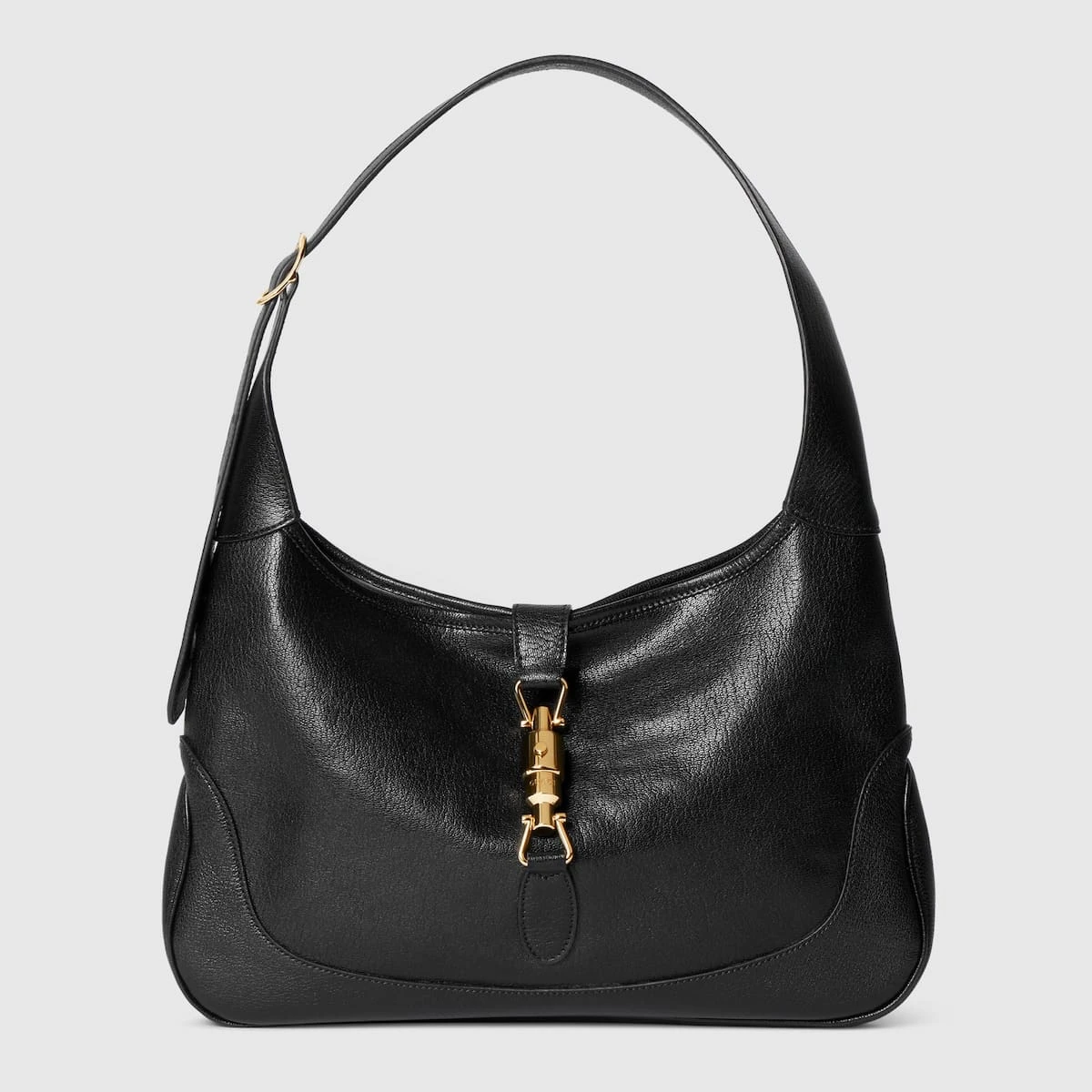
The Gucci Jackie 1961 small and medium tell a useful story about size. The medium examples in this guide give you more width and height, while staying close to the depth of the smaller bags. For a shopper who wants a slim profile under the arm, that can be the appealing part. A longer wallet may have more room to lie flat. A bulky case may still dominate the interior. When the problem is thickness, moving to the medium may leave the problem where it was.
The carry details also differ. Two small listings describe a short handle drop and an additional shoulder strap. Two medium listings describe a longer adjustable handle drop and an extender. That changes the way you reach the closure and how the bag sits over a coat. The comparison becomes clearer when you think about the things you need the Jackie to do, then check those needs against the actual listing rather than treating all products with a similar title as interchangeable.
Compare the exact shoulder bags and the separate Jackie Slim
| IntegrityBags listing | Published width × height × depth | Listed handle drop |
|---|---|---|
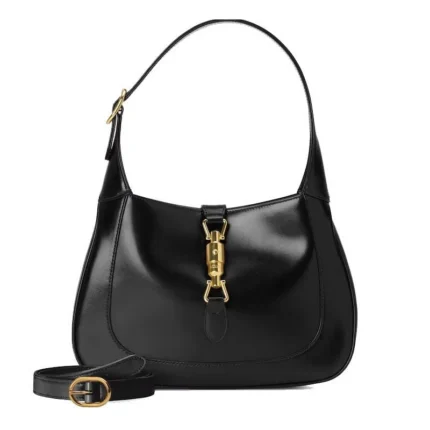
| Jackie 1961 small in black leather | 27 × 19 × 4 cm | 7 in from the central hole |
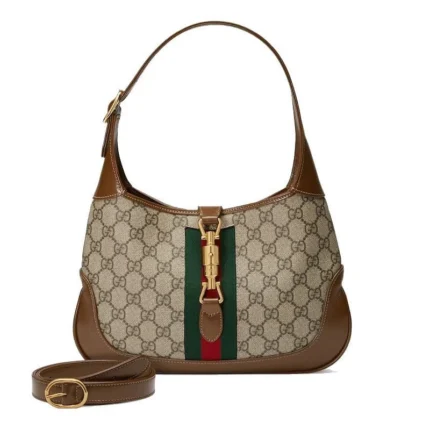
| Jackie 1961 small in beige and ebony canvas | 28 × 19 × 4.5 cm | 7 in |
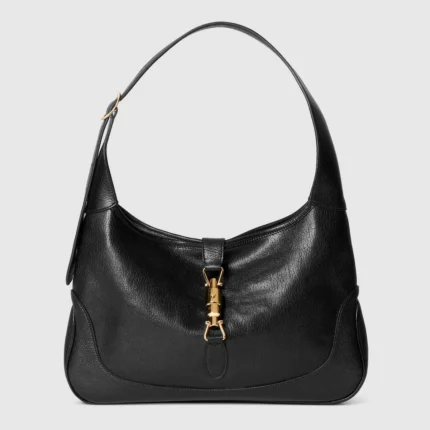
| Jackie 1961 medium in black grainy leather | 31 × 22 × 4.5 cm | Adjustable from 9.8 to 11.4 in |
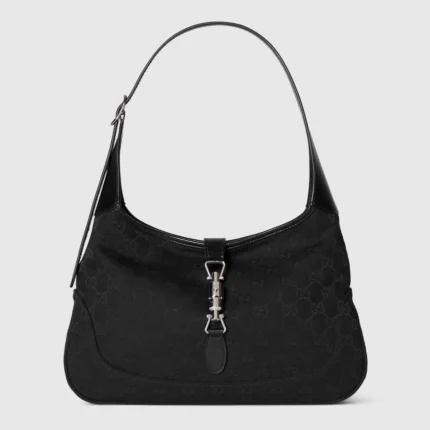
| Jackie 1961 medium in black canvas | 31 × 22 × 4.5 cm | Adjustable from 9.8 to 11.4 in |
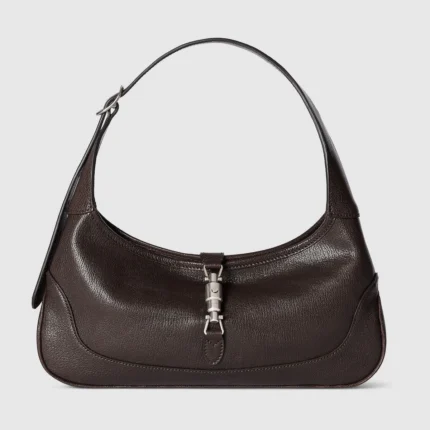
| Jackie Slim small in dark brown leather | 28 × 16 × 3.5 cm | Listing reports a 16.1 to 22.4 in handle drop and describes an extender |
The first four entries are the Jackie 1961 comparison. The fifth has Jackie Slim in the title and makes a useful separate reference for buyers who want a lower, thinner body. The dimensions and drop figures are the descriptions on those exact products. Treat them as exterior measurements and carry references. The interior, the position of your belongings and the clothing under the handle still matter. If one number is decisive, check it again on the selected product because a search result can group similarly named designs.
Check depth first if you carry anything rigid
Lay out the contents of your current bag in a single row. Find the piece that sticks out furthest when it rests on a table. It may be a hard glasses case, an earbud case with a cover, a folding wallet or a key ring. Next, place a phone beside it. If the thick item can live to one side of the phone, the Jackie’s width can help. If both need to sit in the same place, the depth determines whether the front sits comfortably and the closure can align. That distinction explains how a medium can be helpful for one person and leave another looking for a different bag.
The published 4.5 cm depth of both medium examples matches the depth listed for the small canvas example. The small black leather example lists 4 cm. That half centimeter is an exterior difference and a poor basis for promising fit. A rigid item that uses most of the depth can need more room for the lining, neighboring contents and your fingers. Look at the opening in the gallery and ask for the usable clearance if the case is close. If you have a softer protective option you already trust, run the test with both versions. A different case can sometimes make the layout easier without needing a different bag size.
A useful exercise is to put each item into a thin paper bag or an existing slim shoulder bag. Keep the phone upright or flat, whichever you prefer, and see how the remaining objects stack. Use your fingers to locate the phone without looking. If they can only find it once you press one side outward, the arrangement is asking the bag to supply depth that you have not confirmed. Try moving the thick item toward one end. In a slim bag, a few centimeters of width can help you avoid one tall stack, which is where the medium can add real value.
When the small is enough to carry you through the day
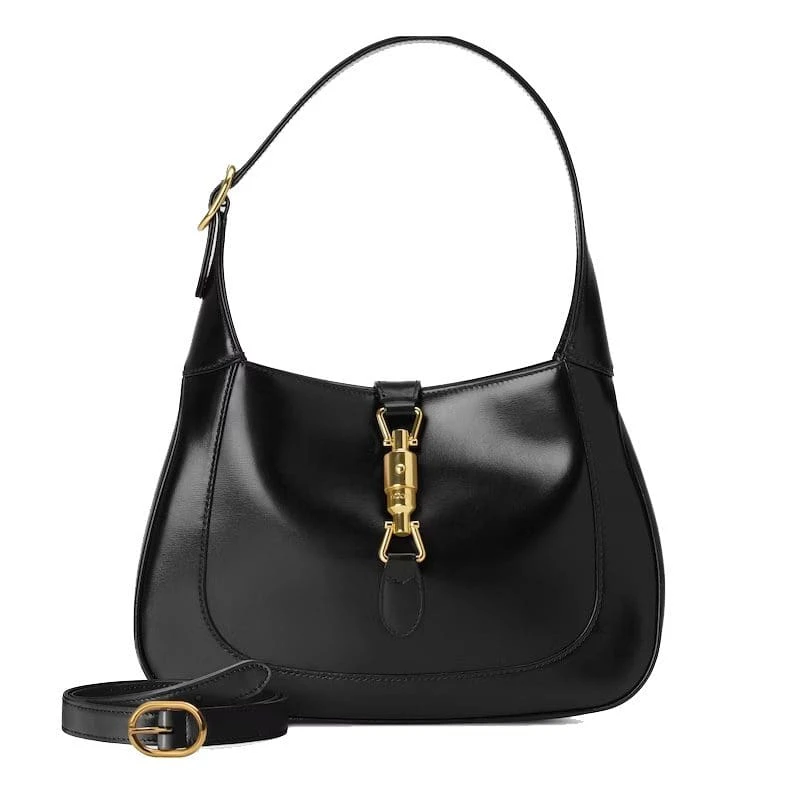
Consider a day when you use your phone for a ticket, a card holder at lunch and your keys at the front door. You might add an earbud case, a small comb or a lip product. The Jackie small is a candidate if those pieces can sit in a low, predictable row and the closure is easy to operate. The two small listings give you close sizes, so the right choice can come down to pocket layout, finish and the way the carry hardware works with your wardrobe.
The small black leather listing describes one interior zip pocket and an additional detachable adjustable shoulder strap attached with a buckle. The small canvas listing describes an interior open pocket as well as a zip pocket, and an additional shoulder strap attached with a buckle. If you use an open pocket for a card or folded receipt, the exact layout is worth checking. Verify the dimensions for anything larger you plan to put there. A pocket name tells you what type of storage it is and leaves the question of fit open.
Think about your shortest routine. You might leave home with your phone in a coat pocket, then move it to the bag when the coat comes off. There should be a clear position for it even after your wallet and keys are already inside. Test this by putting those objects into a bag first and slipping the phone in last with its case fitted. Try taking it out a minute later with a natural grip. If the best position means leaning the phone across another object, the larger width is worth testing. If you can put it in and out without thinking, the small may do the job well.
What the medium gives you beyond a larger front outline
The medium black leather and medium black canvas both list 31 × 22 × 4.5 cm. Each describes an interior zip pocket and a piston closure. The additional published width and height can make a difference for relatively flat belongings. You may be able to separate a long wallet and a phone along the body rather than placing them on top of each other. Both listings mention a long wallet and a large-format phone among their fit examples. Test your own exact pieces, particularly if your phone has a protective cover or your wallet fills out in the middle.
Think of a day with an appointment followed by a dinner where you want one bag for both. A long wallet can sit on one side while a few small things are grouped near the other. If you need to carry a thin folded document, check that it sits low and stays clear of the closure. The medium can be a good option if you want a larger outline without making the bag noticeably deeper. It can still feel like a narrow bag once you add a rigid case and two other thick objects.
There is also the question of how a longer body sits when you turn or sit. Walk beside a chair with a piece of cardboard or a similarly sized bag at the position you plan to wear it. A longer shape may feel comfortable when it follows your side. If it turns toward your front as you move, decide whether you like that placement. In a small shop, at a table or on public transit, this movement is more informative than an upright mirror photograph.
Test the short handle and the longer carry setup separately
The two small examples publish a 7 inch handle drop. They also describe a longer additional strap. The black leather small lists an adjustable shoulder strap drop of 18.5 to 22.6 inches, while the canvas small lists 18.9 to 22.8 inches. The two medium examples each describe a 9.8 to 11.4 inch adjustable handle drop and an 18.9 to 24 inch extender strap drop. Compare drop with drop when you read these numbers. Full strap length and vertical drop describe different things. The geometry also depends on where the ends attach and how the loaded bag hangs.
Put on a coat you actually wear and look for the position you prefer. Put the bag you already use on your shoulder, keep your elbow relaxed, and measure the space you like between your arm and the bag’s opening. Repeat without the coat. If the bag you already use is comfortable in both, its drop is a useful reference. If one outfit leaves the bag sitting too high to reach, look for a documented adjustment range that includes the position you need. A longer drop can make it easier to slip a bag on and off. It can also move the body farther down than you want for a particular outfit.
Use your ordinary bag to test the longer carry position too. Try the motion of bringing it from your side to the front, as you might do when you want to reach inside. A relatively shallow body may rest close against clothing, which can be comfortable until you need more room for your hand. Stand up, sit down and try the movement after opening a jacket. The winning setup is the one you can use with your real clothing and belongings, regardless of which carry mode looks good in a still photo. Confirm the supplied strap or extender and the corresponding product code before you order.
Spend a minute learning what the piston closure asks of your hand
The small and medium Jackie 1961 examples here list a piston closure. Look at the actual listing photos for where your hand will approach it. The closure sits on the front in the center of the silhouette. Once the bag is on your shoulder, the position changes relative to your wrist. Decide whether you are likely to use it while the bag hangs, or whether you prefer to bring the bag forward or support the base first. That choice affects which handle or extender position is useful.
Picture retrieving a card while you hold a coffee or a jacket. Can you move the bag far enough forward to reach the center? If the longer wallet is just underneath, can you get a grip without opening the bag as wide as it will go? Then think about the motion of closing it with the everyday load inside. Your belongings need to rest in a way that lets the top settle. If a thick case presses the panels apart, rearrange the load rather than planning to close it under pressure.
One useful practice is to keep the area just beneath the closure clear of loose hard objects. Try storing keys in a thin pouch toward an end, and give the phone a flat position where it can slide out. Keep any lip product or other small item where it is easy to find without the metal parts rubbing together. Test the layout while the bag is standing and while it hangs. The arrangement you can recreate easily is more useful than one that only makes sense while all the contents are visible on a table.
Distinguish the materials and photos you are choosing between
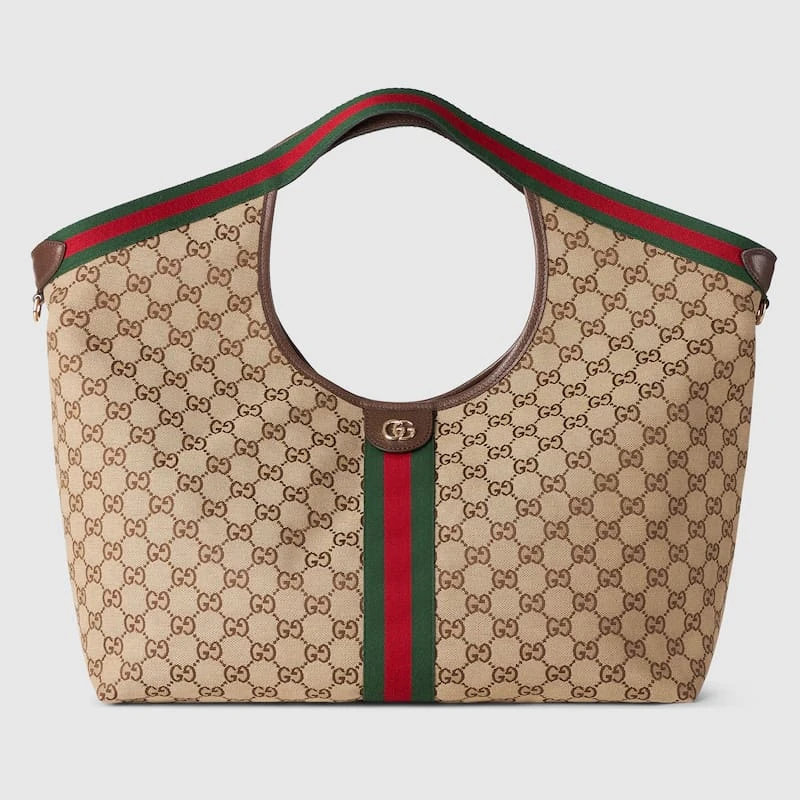
The two small listings identify different finishes. The black leather version lists gold-toned hardware. The beige and ebony canvas version describes brown leather trim, a green and red Web detail and gold-toned hardware. The medium examples also differ. The grainy black leather listing describes gold-toned hardware and a black nappa lining. The black canvas listing describes silver-toned hardware, black grainy leather trim and a canvas lining with a Diamante motif. These are the selected product descriptions, so check them again when you choose your actual variant.
Put the photos next to two outfits you already wear. A visual feature that seems subtle in a close crop may be more noticeable once you see the full front view. A finish can look different as the lighting changes between pictures. Use close photos to inspect details and a full silhouette to consider the color and hardware together. If you plan to use it daily with a dark coat, examine how the hardware reads at normal viewing distance. If you want a bag for occasional events, consider how it fits the outfits you would actually wear to those events.
Try to look at the side of the bag in each gallery. The way a rigid object affects the profile will be easier to imagine from that view. Also look for a clear picture of the strap buckle or extender where it meets the main handle. If you cannot tell which piece the product includes, ask IntegrityBags about the exact listing and name the feature. A single focused question about the carry pieces or usable dimensions will tell you more than a general comparison of the materials.
Use the Jackie Slim as a separate comparison
The Jackie Slim small in dark brown leather lists 28 × 16 × 3.5 cm. That width matches the small canvas Jackie 1961 example, but its published body is lower and shallower. It describes a different carry setup as well. The visual similarity is helpful if you want to see what a more horizontal line looks like, and the measurements explain why it should have its own fit test. If a 4.5 cm published depth is already tight for your hard case, a lower depth points toward a more compact set of essentials.
For a dressier short outing, the slimmer bag may fit if you reduce the load to a slim wallet, phone and a few small pieces. Think about the objects you would bring when you go straight home afterward. A shopping day adds different expectations, including space for a receipt or keys that are easier to access while standing. Try the shallowest version only with the smallest load you would realistically carry and then ask what happens when you add one extra. That process helps you decide whether it would be a frequently used bag or one you save for a very specific occasion.
A similar name can hide a meaningful change in proportions. Keep the full title and the product page next to your fit notes. Compare handle drop, additional strap information and the gallery along with the outline. If the Slim only looks right when you want a different carry position, compare that position directly with the 1961 medium and small. The separate line gives you one more choice, and each can be judged against the same everyday belongings.
Buy for the motion you will repeat most
Decide whether you tend to keep your bag close to your shoulder or shift it forward when you need an item. Choose one regular route and make your decision around that motion. If the small gives you a predictable place for the essentials and its 7 inch handle drop suits the clothes you wear, it is the first candidate. If you want the longer wallet and phone to sit apart and prefer the higher published handle drop range in these listings, start with a medium. If thickness remains the problem after you separate the contents, consider another shape with more usable depth.
Before you choose, note the exact listing, the longest item, the thickest item and the drop you want to use. Verify any dimension your choice depends on and read the accessory and pocket descriptions for that code. A Jackie can be a comfortable, useful shoulder bag when its thin shape fits your belongings and the carry setup feels natural. The first sign of a good choice is how easily you can open it, find what you need and return the item while the bag is where you actually wear it.
Compare these products