
Blog
Handbag Closures Compared: Zippers, Flaps, Magnetic Snaps and Drawstrings

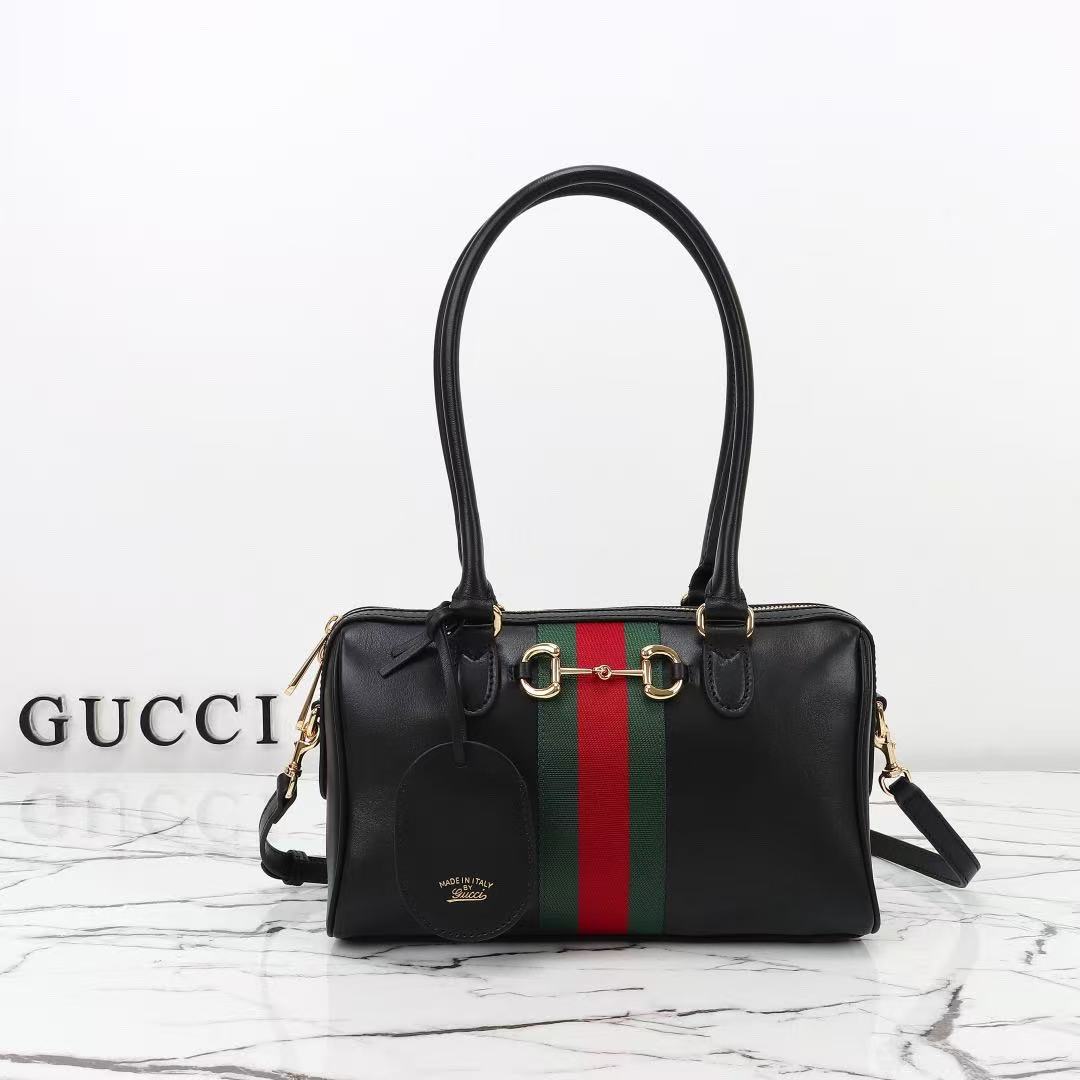
The shape and color of a handbag usually attract attention first, but the closure is one of the details you will interact with most often. A bag that looks elegant on a shelf can become frustrating if its opening is difficult to reach, while a convenient open tote may not feel secure during a crowded commute. The best handbag closure depends on the belongings you carry, how often you reach into the bag and the places you use it.
This guide compares zip-top handbags, flap bags, magnetic snaps, drawstring buckets, turn locks and open-top totes. It does not promise that any closure can prevent theft or protect a bag completely from rain. Instead, it offers a realistic way to balance convenience, coverage, durability and the kind of access you need every day.
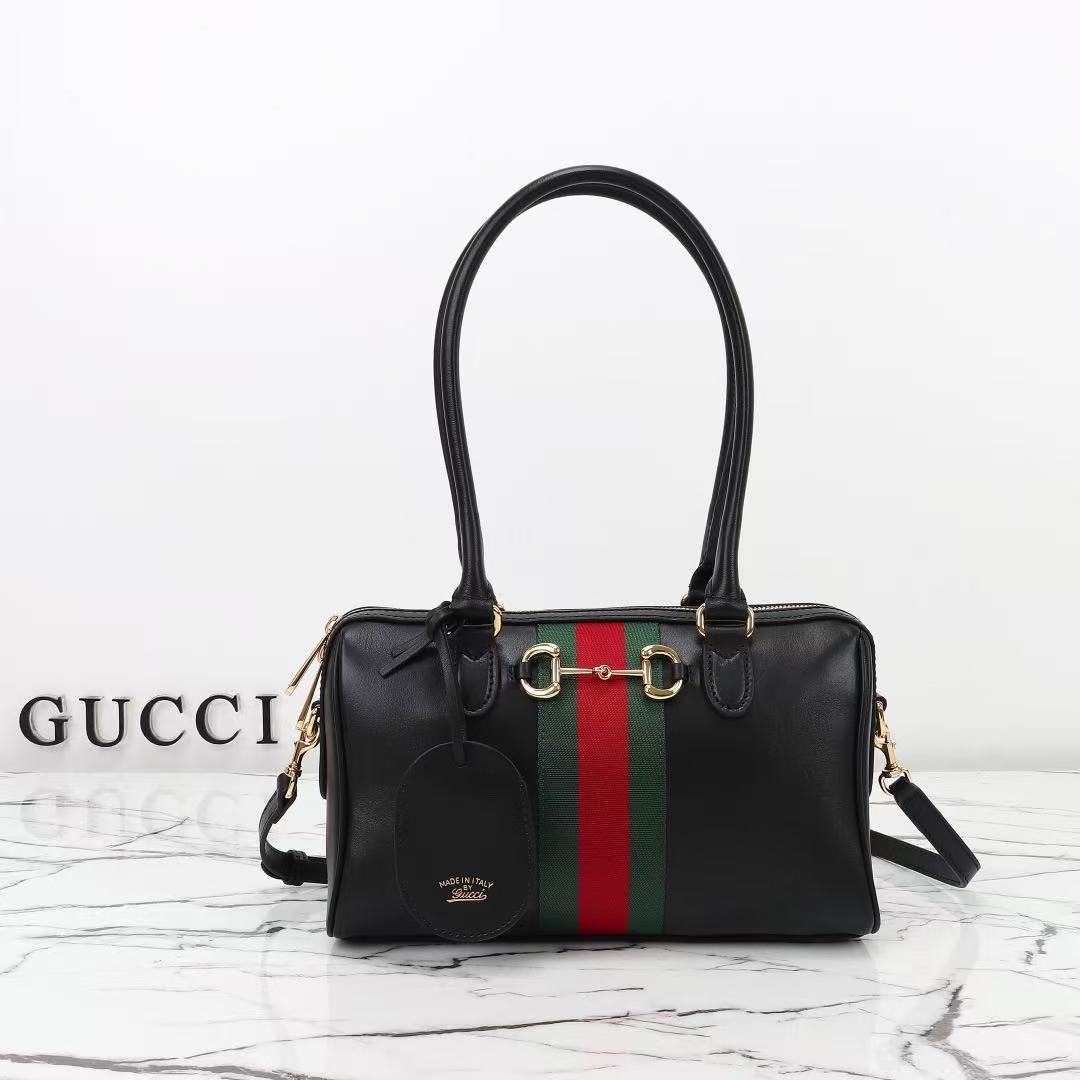
Begin with the job your closure must perform
Imagine a normal day with your handbag. You may open it dozens of times to reach a phone, transit card, keys, tissues or lip balm. The ideal closure allows that movement without feeling awkward, yet keeps small items reasonably contained when the bag changes position. A commuting bag, an evening bag and a travel bag may have very different priorities.
Choose your three most important factors before comparing designs: ease of access, how fully the opening is covered, and how the closure feels under repeated use. Security is not a simple yes-or-no property; it depends on the wearer’s awareness, the environment and the whole construction. No clasp or zipper can replace keeping personal belongings within sight in busy places.
Zip-top handbags: coverage with a deliberate opening step
A zipper spans an opening and usually holds the sides together more completely than an open top or a loose flap. This can help prevent small items from falling out if the bag is tipped. It can also discourage casual access, but it should not be described as theft-proof. The usefulness of a zipper depends on the length of the opening and whether it can move freely around the corners.
Check the zipper’s travel path in product photographs. A very short zipper can make a roomy bag surprisingly difficult to pack. Sharp corners or a stiff bag mouth can slow everyday access. If you can inspect the bag in person, move the slider gently without forcing it and see whether the teeth meet evenly. Never pull against a caught lining or attempt to repair a stuck closure with an unsuitable lubricant.
Flap bags: style, coverage and layered access
A flap folds over the main opening and may be secured with a clasp, magnetic fastener, turn lock or other mechanism. Flap bags can offer a clean appearance and a second layer of coverage. Their main inconvenience is that you often need to lift the flap before reaching inside, which may be awkward when carrying coffee, luggage or shopping bags.
The design matters more than the word flap. Some flaps sit close against the bag while others leave side openings. Test whether the flap returns neatly into place when the bag is partially full. In a crowded setting, carry the bag in a position where you can monitor the closure instead of assuming the covered opening makes it secure.
Magnetic snaps: easy everyday access with limits
Magnetic snaps are popular because they can close with little effort. They can suit someone who frequently reaches for small items or finds complicated locks inconvenient. A magnet does not necessarily seal the opening: the edges can remain exposed, and the snap may separate if the bag is overloaded or squeezed.
Check that the magnets meet when the bag contains your usual belongings. If the bag’s shape pulls them apart, the closure may be less practical than it looked empty. Keep potential magnetic effects in mind for items sensitive to magnets, and follow relevant manufacturer guidance for medical devices and electronics instead of assuming all magnets are harmless.
Turn locks and buckle-like clasps
A turn lock generally requires aligning a tab or rotating a component to release the flap. It can be satisfying to use and may help a flap remain in place, but it usually adds a step compared with a magnet or an open top. Decorative hardware also adds weight and may press against nearby surfaces when the bag is stored.
Try the mechanism with one hand if that is how you plan to use it. Check whether it catches on fabric or needs unusual force. A lock that feels secure on an empty bag might be harder to align after the bag is filled. Do not treat a decorative lock as a guarantee against loss or theft.
Drawstring and bucket bag closures
A drawstring can make a bucket bag flexible and roomy while allowing the opening to narrow. Its success depends on the cord, stopper and shape of the bag. Some drawstring styles still leave a gap at the top after tightening, especially when items fill the bag. If privacy or containment is crucial, examine the actual closed opening rather than relying on the product category name.
Notice whether tightening the drawstring changes the bag’s silhouette in a way you like. Repeated hard pulling may place unnecessary strain on eyelets or cord channels. A gentle, even motion is better, and any loose ends should be kept clear of sharp objects in the bag.
Open-top totes: fast access requires extra organization
An open-top tote is often the fastest design for placing a notebook, scarf or other large belongings inside. That convenience comes with less containment when the bag tips, travels through a crowded area or rests under a seat. Some shoppers solve this by using a separate closed pouch for keys, cards and smaller essentials.
A tote’s usefulness also depends on handle length, base stability and interior pockets. Explore the Integrity Bags tote category with the opening style in mind. A bag that works well on a desk may behave differently when carried on public transportation or packed beneath a plane seat.
Match closure design to common daily situations
For commuting, an opening you can close deliberately may be more comfortable than one that stays wide open. For quick errands, a magnetic snap can be convenient, provided the bag is not heavily loaded. For evenings out, a compact flap with reliable alignment may feel appropriate, while frequent travel can make a zipper or separate internal pouches useful.
Think about movement: walking, leaning forward, reaching overhead and sitting. Does the bag hold its shape during these actions? Will the opening remain covered? A bag’s closure is part of a larger practical system that includes its size, strap and interior layout. Our handbag styles comparison can help you consider those factors together.
Look beyond the closure to the interior
A large central compartment may be easy to reach but difficult to keep organized. A small zippered interior pocket can be valuable even when the main compartment closes with a magnet. For another bag, several dividers may create unnecessary friction every time you reach for a phone. The most useful layout depends on what you actually carry.
Before buying, prepare a list of everyday contents and identify which need secure storage. A separate pouch can often solve a storage problem more flexibly than choosing a bag based only on the main closure. Do not assume a picture of the outside reveals the internal arrangement. Look for interior photos or ask for them.
Inspect closure quality without overinterpreting photographs
Photographs can show hardware alignment, stitching near the opening and the general position of a zipper. They cannot fully demonstrate whether a magnet feels strong enough or a clasp works smoothly. Look for clear close-up images and avoid making material or durability claims that are unsupported by the listing.
When examining a physical bag, open and close it several times at a natural pace. The mechanism should not require excessive force or snag on the lining. If it does, contact the seller instead of trying to bend the components into place. Mechanical fit matters because a closure is often used more than any other feature of a daily handbag.
Care for zippers, flaps and hardware thoughtfully
Keep loose threads, paper scraps and other debris away from zipper teeth and magnetic interfaces. Wipe visible dust with a soft cloth suitable for the surrounding material. Avoid aggressive solvents and improvised oils, which can mark linings or finishes. For a flap, store the bag without pressing heavy items on top of the closed edge.
Place a soft barrier between protruding locks or chain hardware and delicate bag panels if needed during storage. If the bag was exposed to rain, let it dry according to its material care instructions before enclosing it in a dust bag. Our humid-weather handbag storage guide
Common questions about handbag closures
Is a zipper always the safest choice?
A zipper generally provides more complete coverage of an opening than an open top, but no closure makes a bag theft-proof. Personal awareness and the overall design remain important.
Are magnetic closures suitable for heavy bags?
That depends on their strength and the bag’s shape. Overfilling can make magnets separate or prevent proper alignment.
Do drawstring bucket bags close completely?
Not always. Some retain visible openings even when tightened. Check images of the actual closed bag.
Which closure is easiest with one hand?
A magnetic snap or open top can be quick, but individual dexterity and product design matter. Try the exact mechanism when possible.
Choose the opening you will enjoy using
A handbag can be stylish and still make daily life harder if its closure does not match your habits. Before choosing a bag, think about your commute, the items you carry, how frequently you need access and what degree of coverage makes you comfortable. Then compare the whole design instead of focusing on the mechanism in isolation.
For a broader look at how closing systems interact with construction and finishing, read our handbag quality details guide. An informed choice begins with practical requirements, not a promise that one closure style is universally best.