
Blog
Handbag Materials Guide: Leather, Canvas, Fabric and Textured Finishes Explained

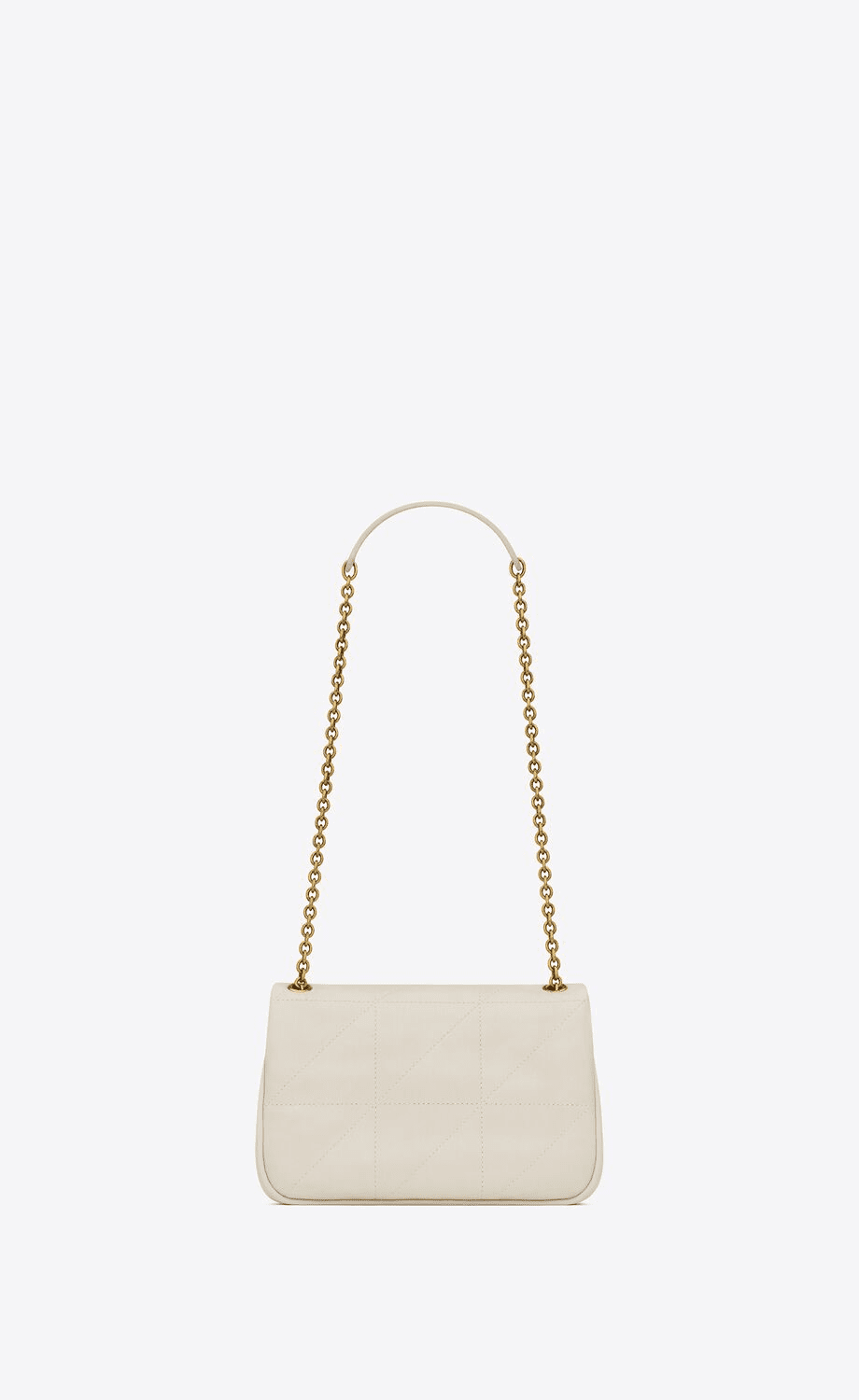
Material affects how a handbag looks, feels, ages and performs in everyday use. Two bags with a similar shape can feel completely different depending on the surface, structure and lining. This Integrity Bags guide explains the practical differences buyers should consider.
Smooth Leather
Smooth leather creates a clean, refined appearance and can develop character over time. The tradeoff is that a very smooth surface may show scratches or marks more easily, especially in darker glossy finishes.
Textured Leather
Textured surfaces are popular for everyday bags because small marks are often less noticeable. Grain can also add visual depth and help a structured bag maintain a polished appearance.
Canvas
Canvas is usually lighter than many leather constructions and can be practical for totes, travel bags and casual styles. The exact feel depends on the weave, coating and reinforcement. Check edge finishing and handle attachments because those areas receive the most stress.
Fabric and Woven Materials
Fabric handbags can feel soft, lightweight and seasonal. Woven textures add interest but may require more careful handling around rough surfaces. If a bag is used frequently, consider how easy the material will be to clean.
Coated Surfaces
Coated materials can offer improved resistance to light moisture and everyday marks. They are often easier to wipe clean, but the coating quality and flexibility influence how the bag ages.
Suede and Soft Nap Finishes
Suede has a distinctive soft texture but requires more care around water, oils and dark clothing that may transfer color. It is often better for shoppers who are comfortable with regular maintenance.
Why Lining Matters
Do not judge a handbag only from the exterior. Interior lining affects durability and everyday convenience. Light linings make it easier to find small items, while darker linings tend to hide marks. Check seams, pocket edges and attachment points.
Match Material to Use
For a daily commuting bag, durability and easy maintenance may matter most. For an evening bag, appearance may be the priority. Travel bags benefit from lighter weight and surfaces that tolerate frequent handling.
How to Compare Quality
Look beyond the material name. Examine stitching consistency, edge paint, hardware attachment, lining and how the bag holds its shape. A good material can still perform poorly if construction is weak.
Final Thoughts
There is no single best handbag material. The right choice depends on how often you use the bag, how much maintenance you want to do and whether you prefer softness or structure.
Read more practical advice on the Integrity Bags Blog and compare different styles in our handbag collection.
One thought on “Handbag Materials Guide: Leather, Canvas, Fabric and Textured Finishes Explained”